

Nike Soccer | Toma National Finals
From the Streets to Bryant Park
Our Opportunity
Soccer belongs to everyone.
That idea sits at the heart of Toma el Juego, Nike's global street soccer platform created to put the game back in the hands of the people who play it. Free from traditional structures and expectations, Toma celebrates a version of soccer driven by creativity, individuality, community and the simple joy of taking the game and making it your own.
As Toma expanded across six continents and more than 20 cities, New York offered an opportunity to build something uniquely its own: a journey through the city's soccer communities that would ultimately lead to one of its most iconic stages.
But a city final shouldn't begin at the final.
So before Bryant Park, we went to the places where New York soccer actually lives.
Across five weeks, six qualifying tournaments took place throughout Harlem, the Bronx, Brooklyn, Queens, the Tri-State area and Manhattan, each created with the communities already shaping the game there.
The goal wasn't to bring the same Nike tournament to six neighborhoods.
It was to let six neighborhoods show us what their version of the game looked like.
Our Solution
Each qualifier was handed over to local facilitators and communities to make their own: different formats, different rules, different players, different music, food and cultural influences. Six tournaments with six distinct identities, all connected by one destination waiting at the end: Bryant Park.
Harlem drew inspiration from the Apollo and its tradition of Showtime. The Bronx celebrated its African diaspora football culture. Brooklyn put the women's game at the center. Queens brought Ecuadorian and Latin American soccer culture to the pitch. The Tri-State qualifier brought crews from across the region together in an abandoned bank.
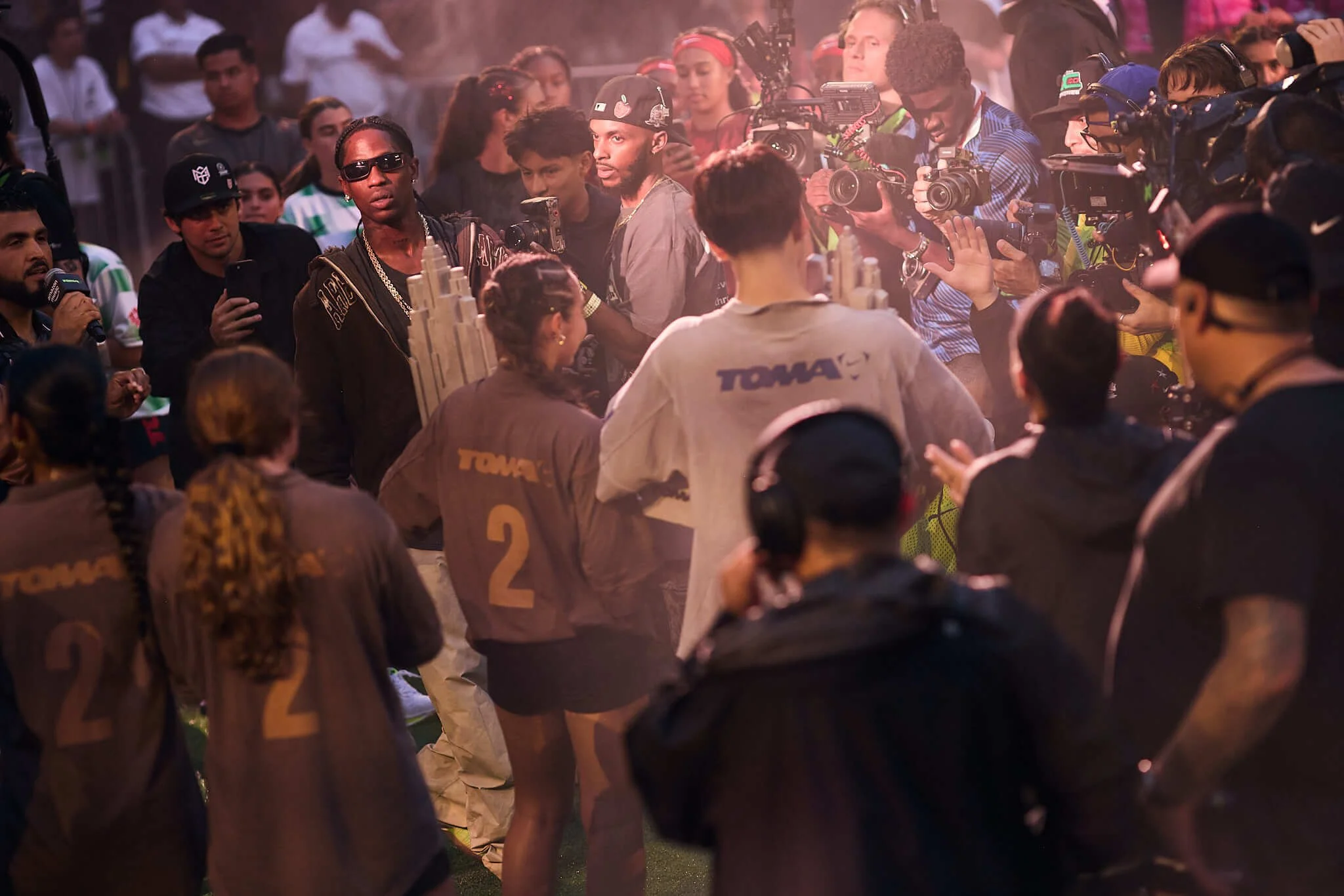
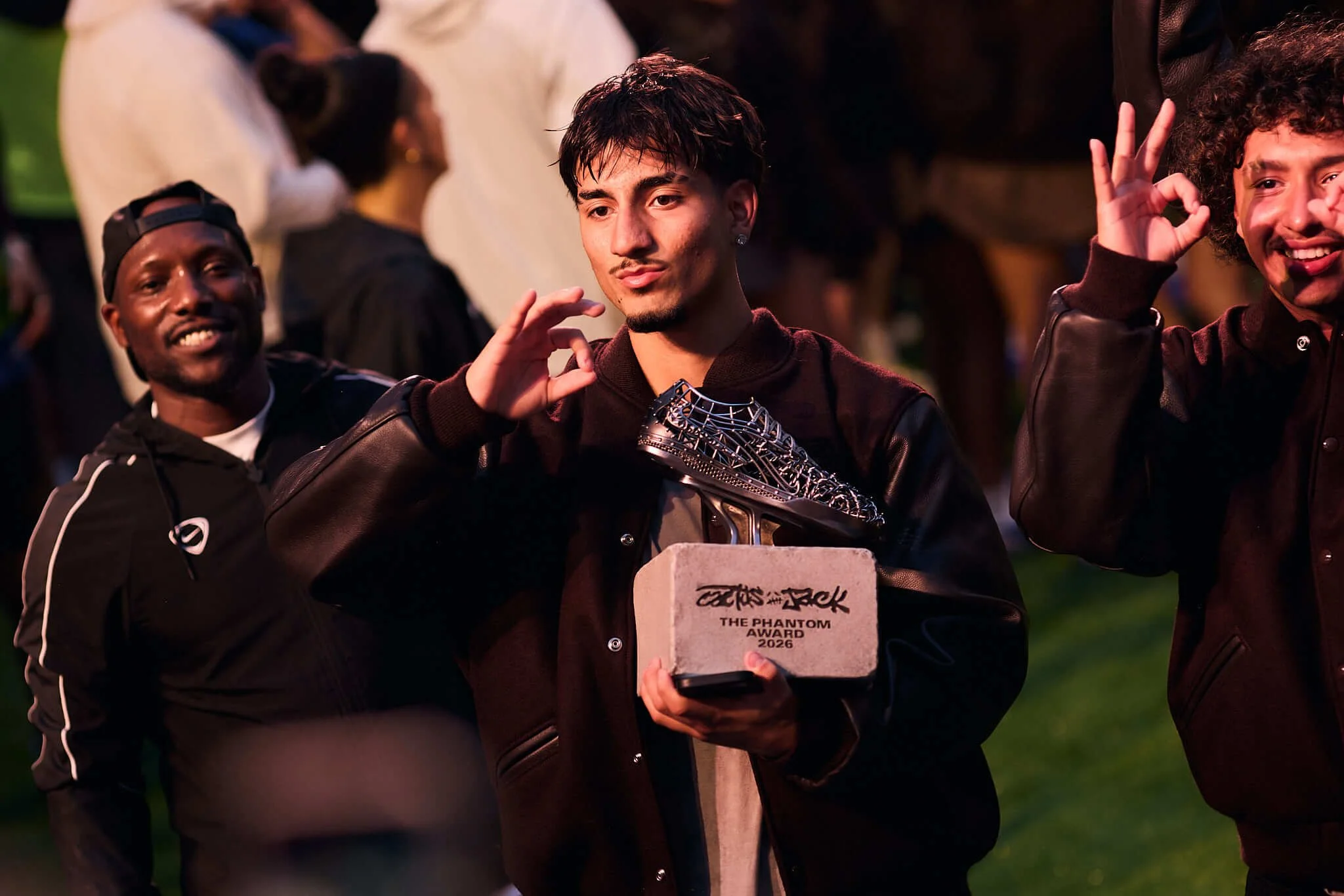
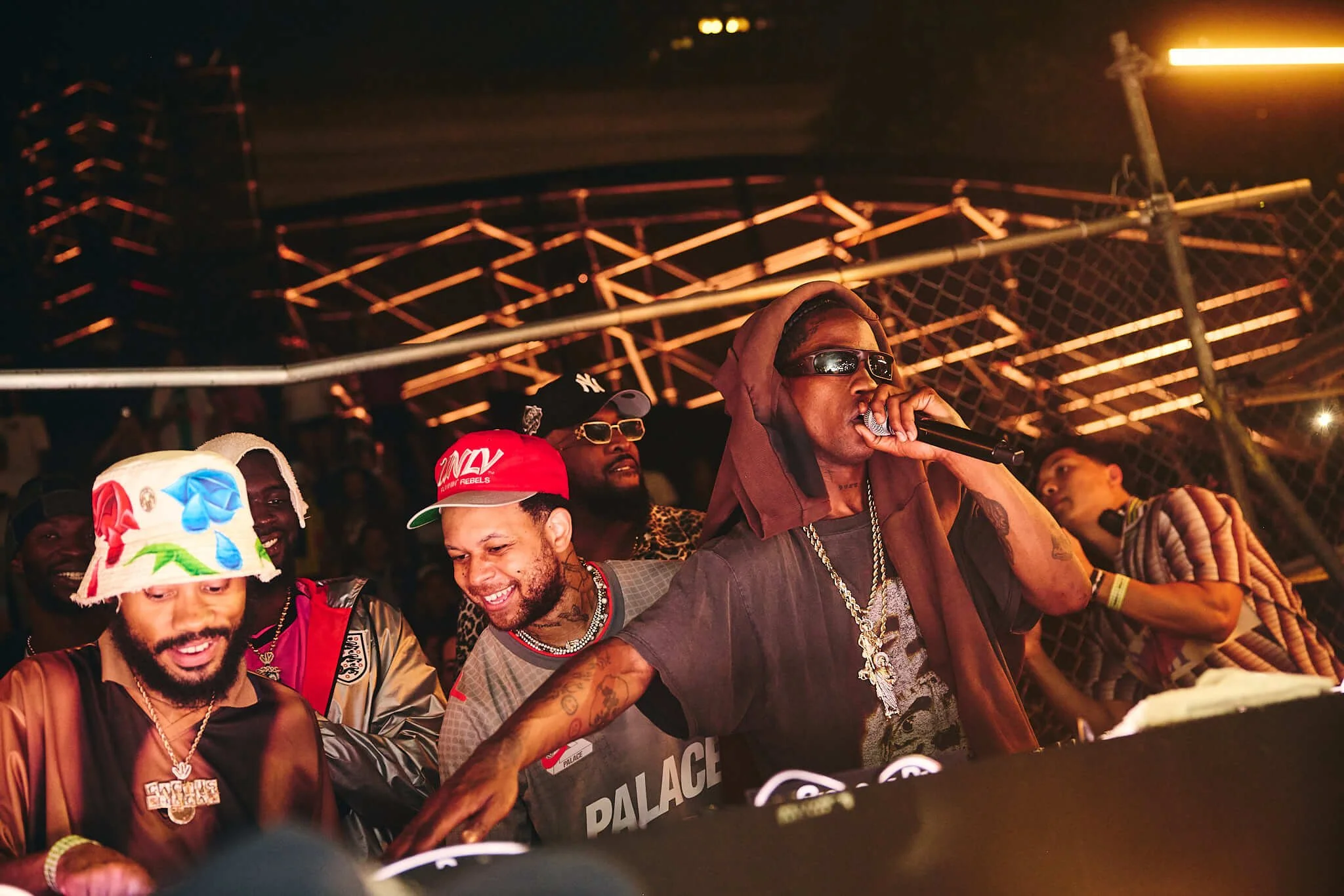
Local DJs, musicians, food vendors, designers and community organizations became part of each experience, while Nike maintained the level of execution connecting the entire journey: localized environments, player product, custom trophies and a production system flexible enough to move from parks to fields to unexpected urban spaces.
Then the game arrived in Midtown.
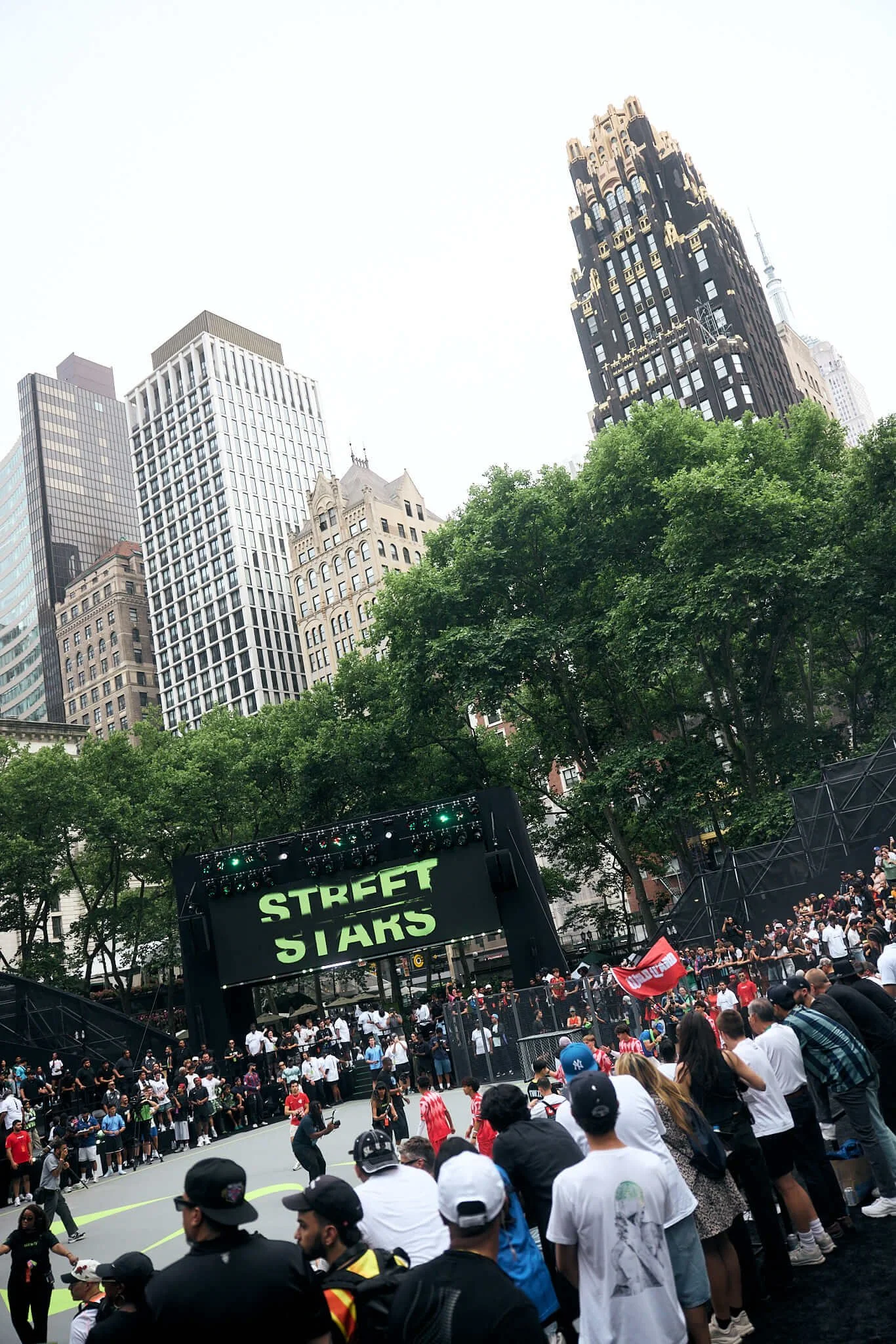
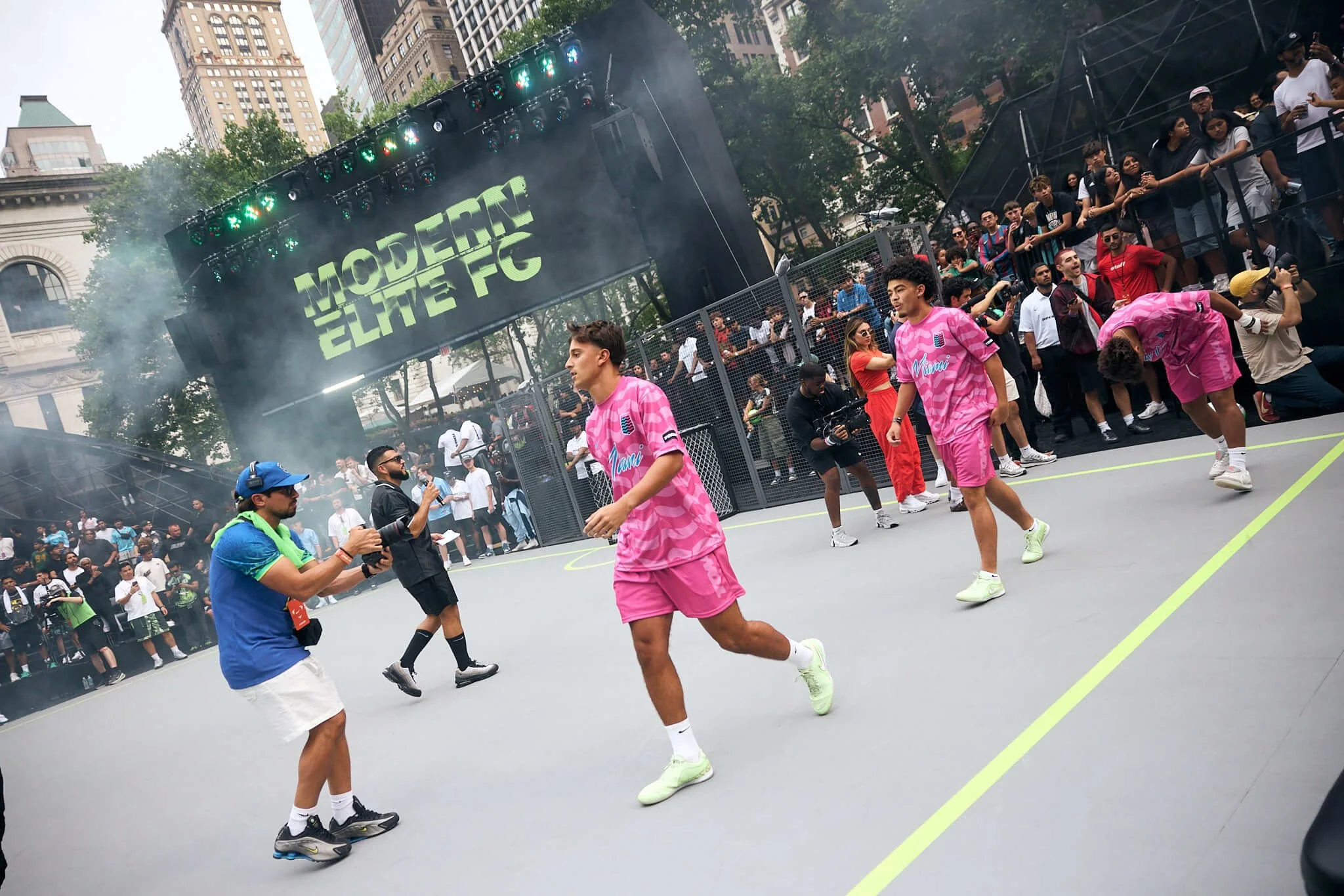
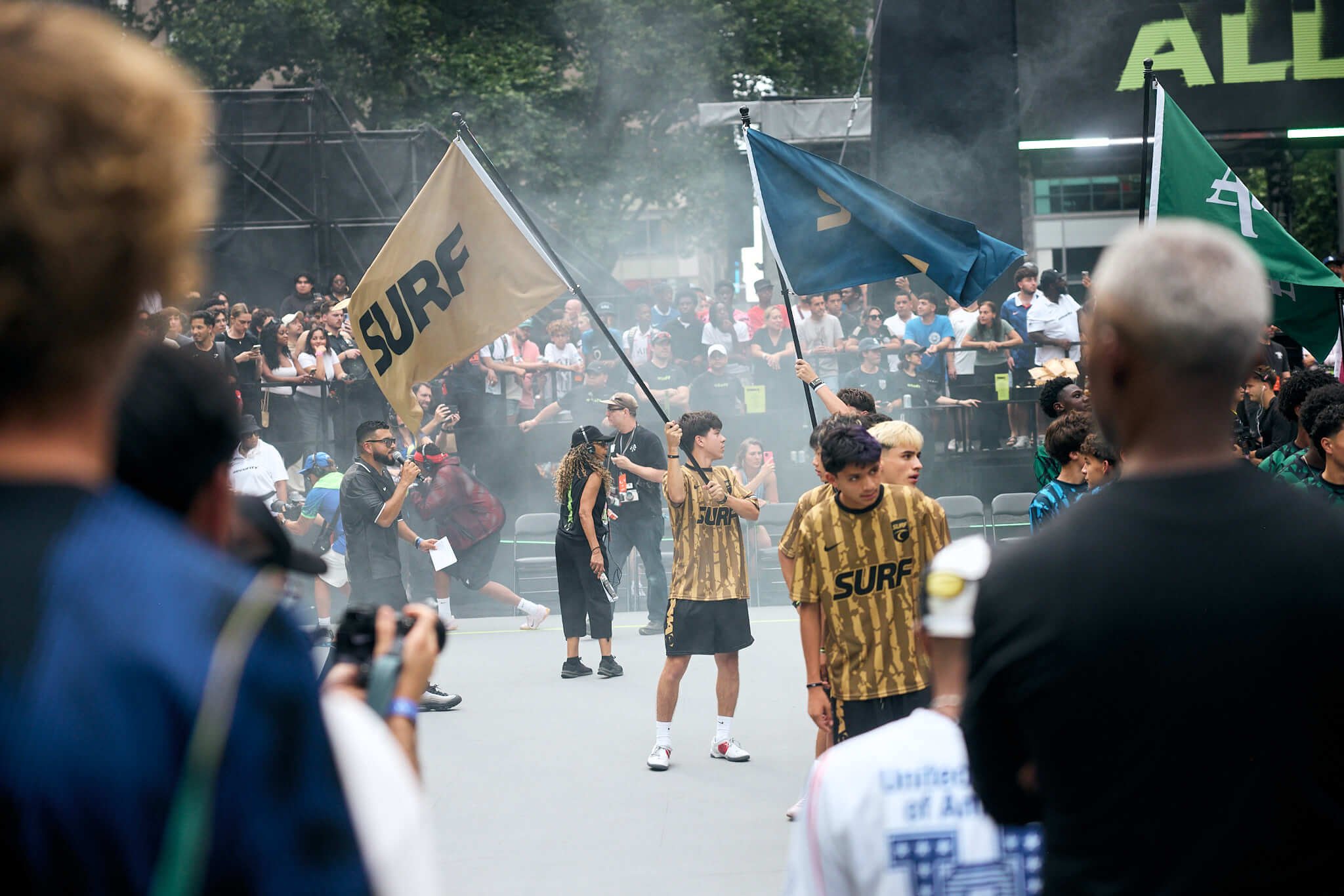
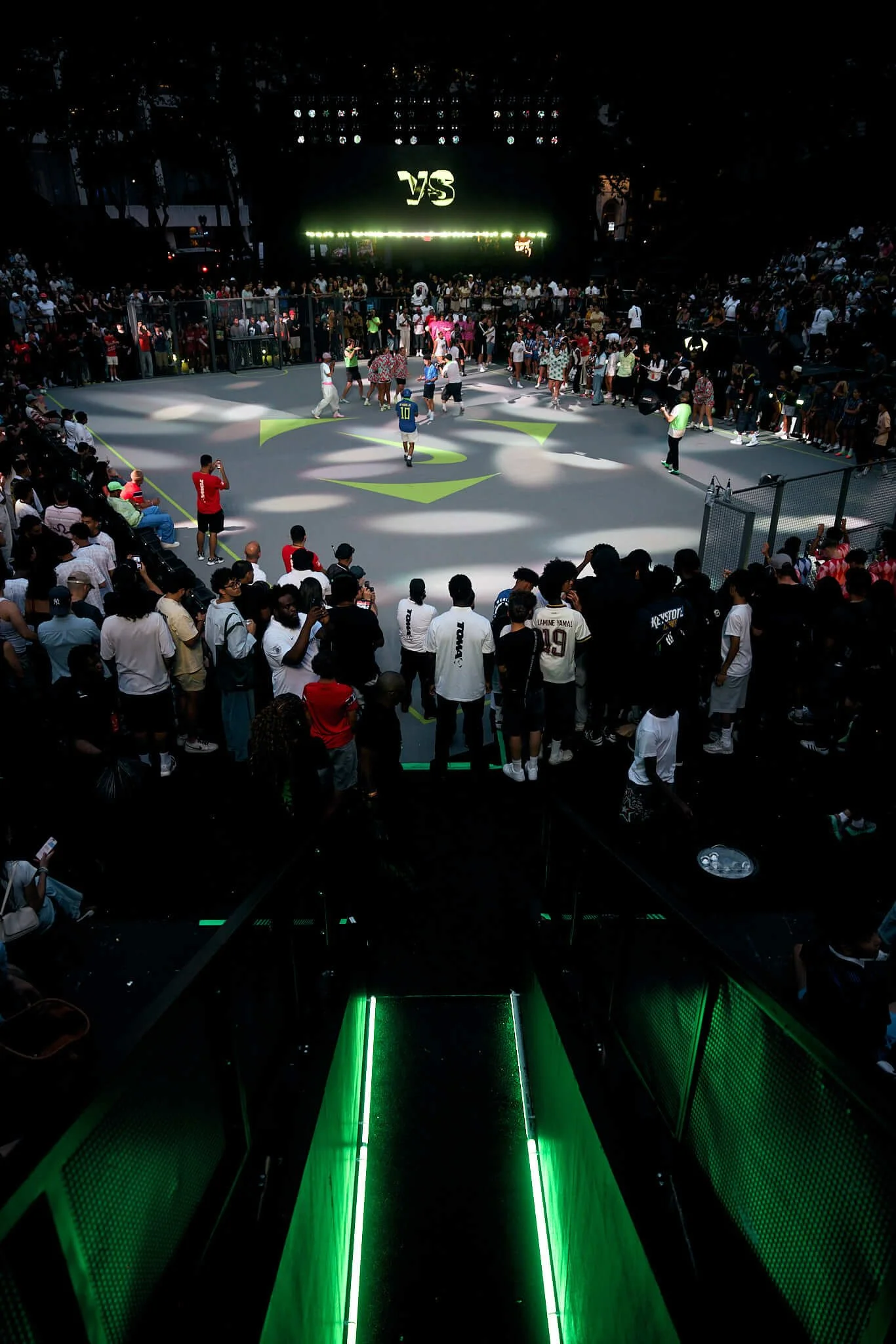
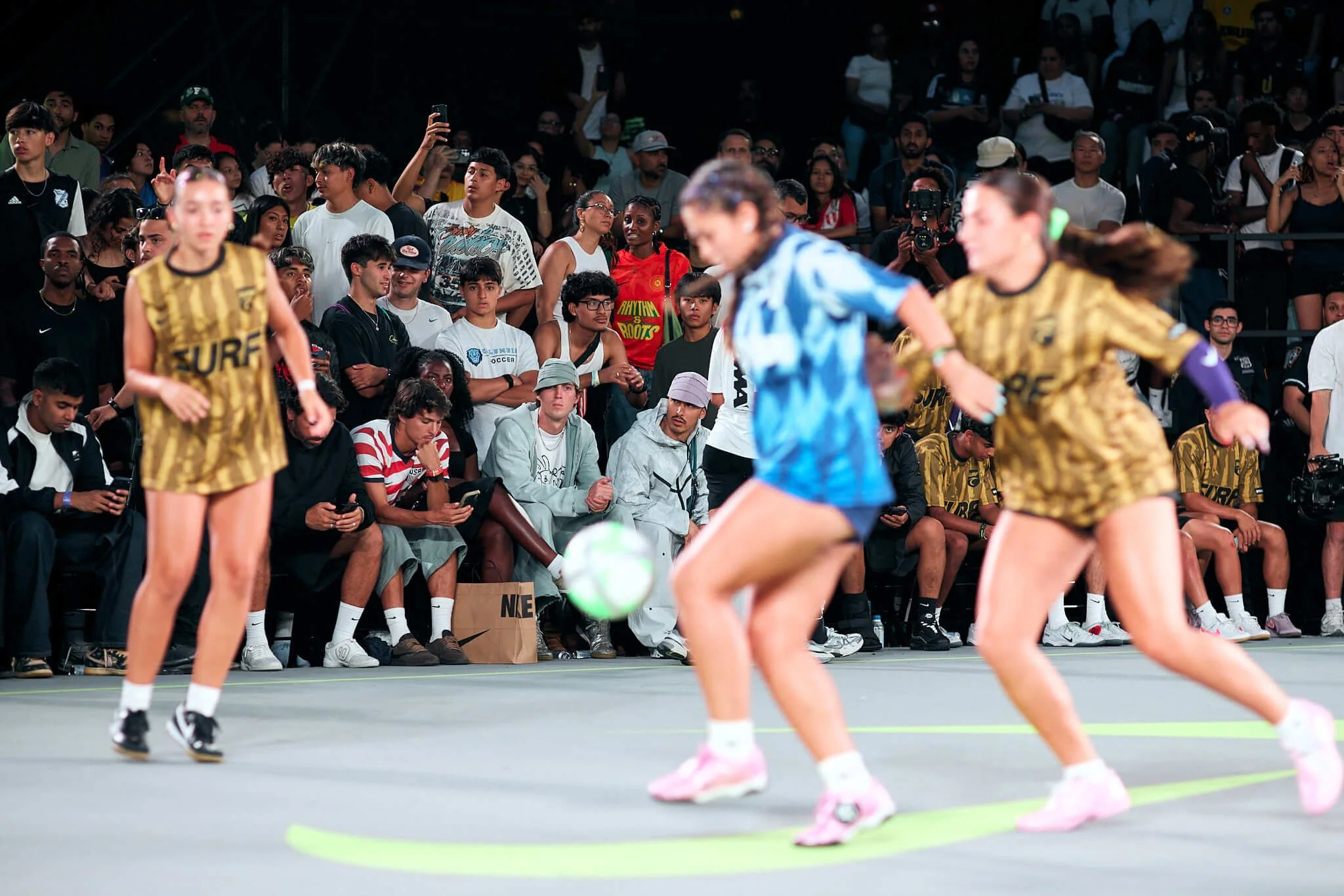
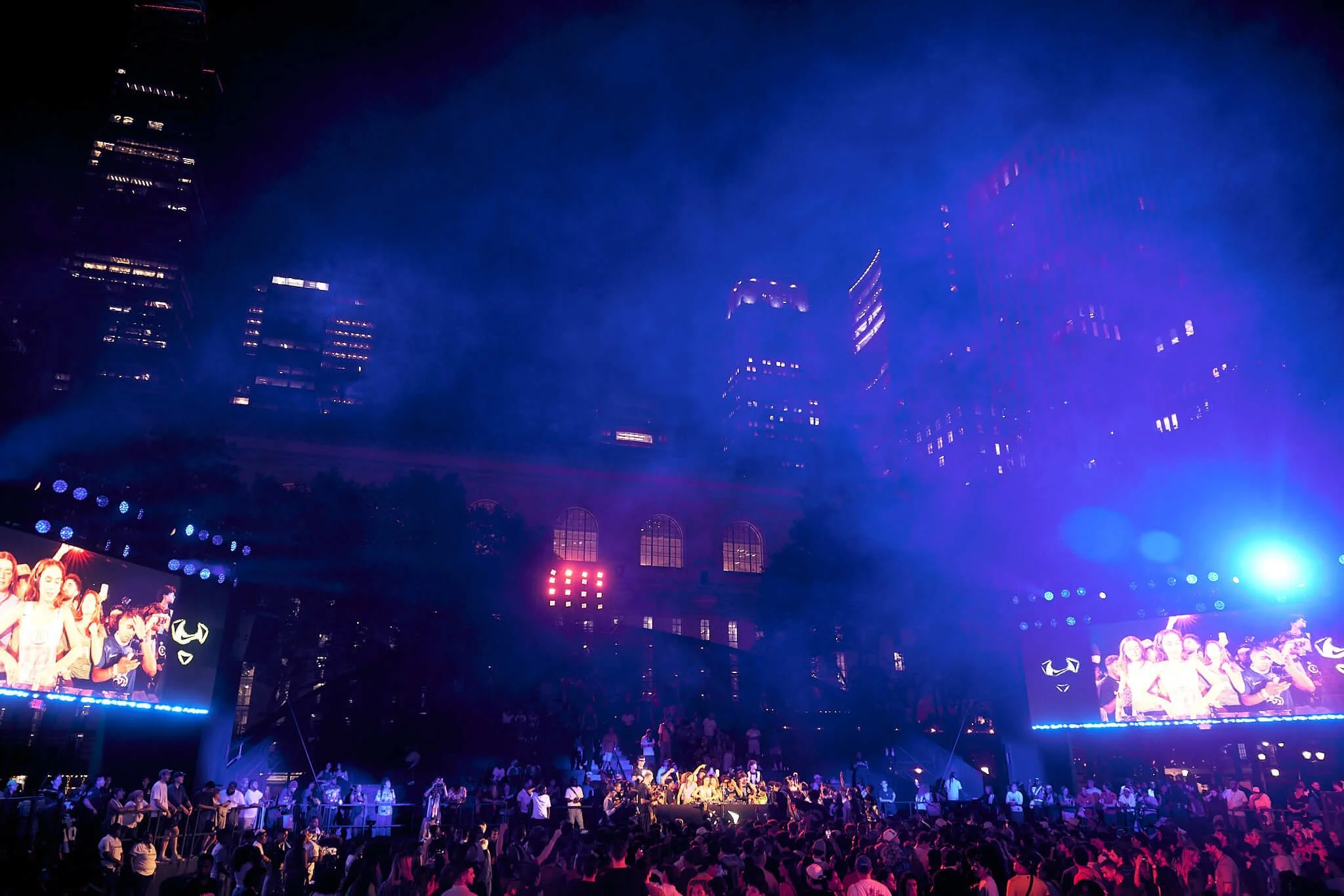
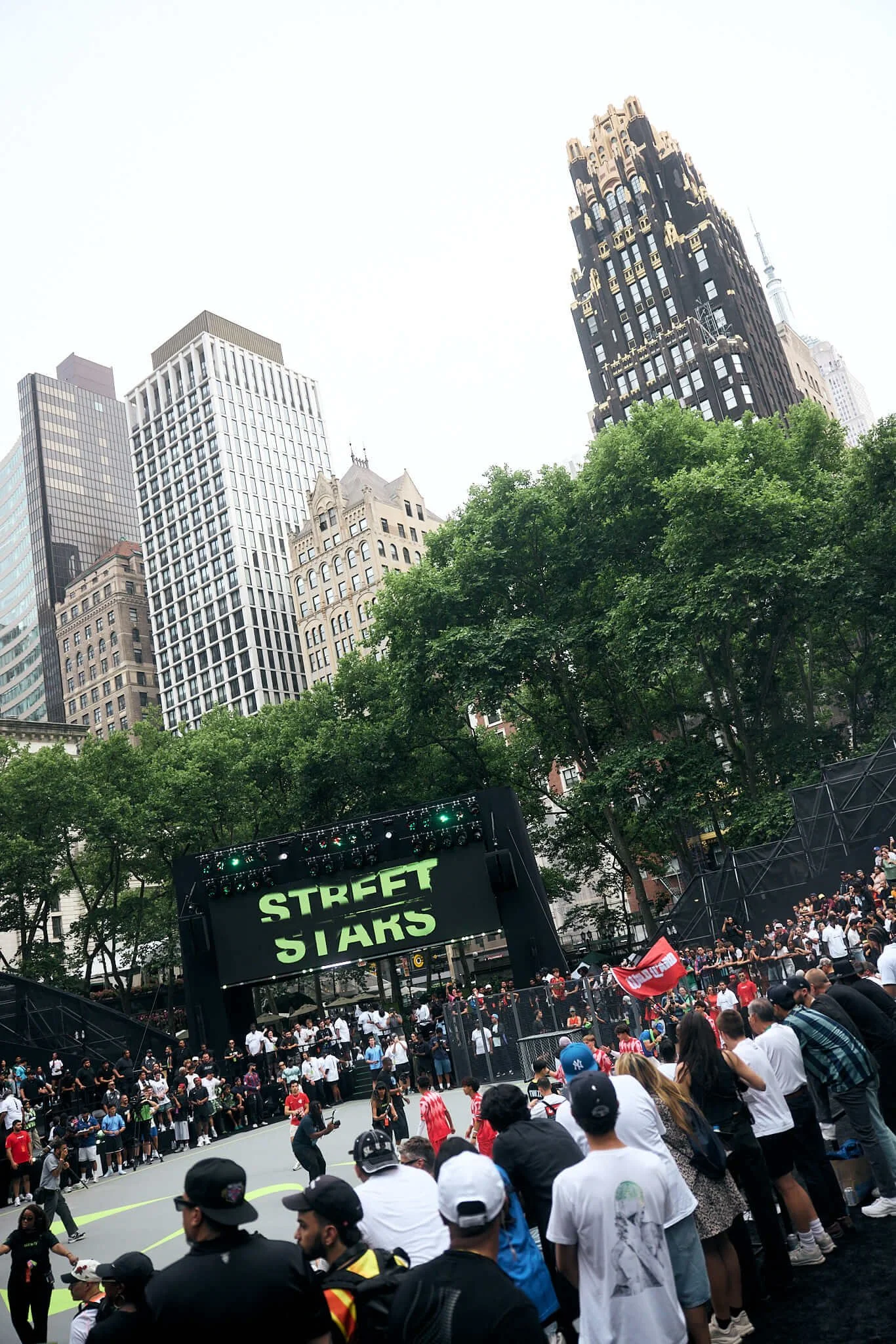
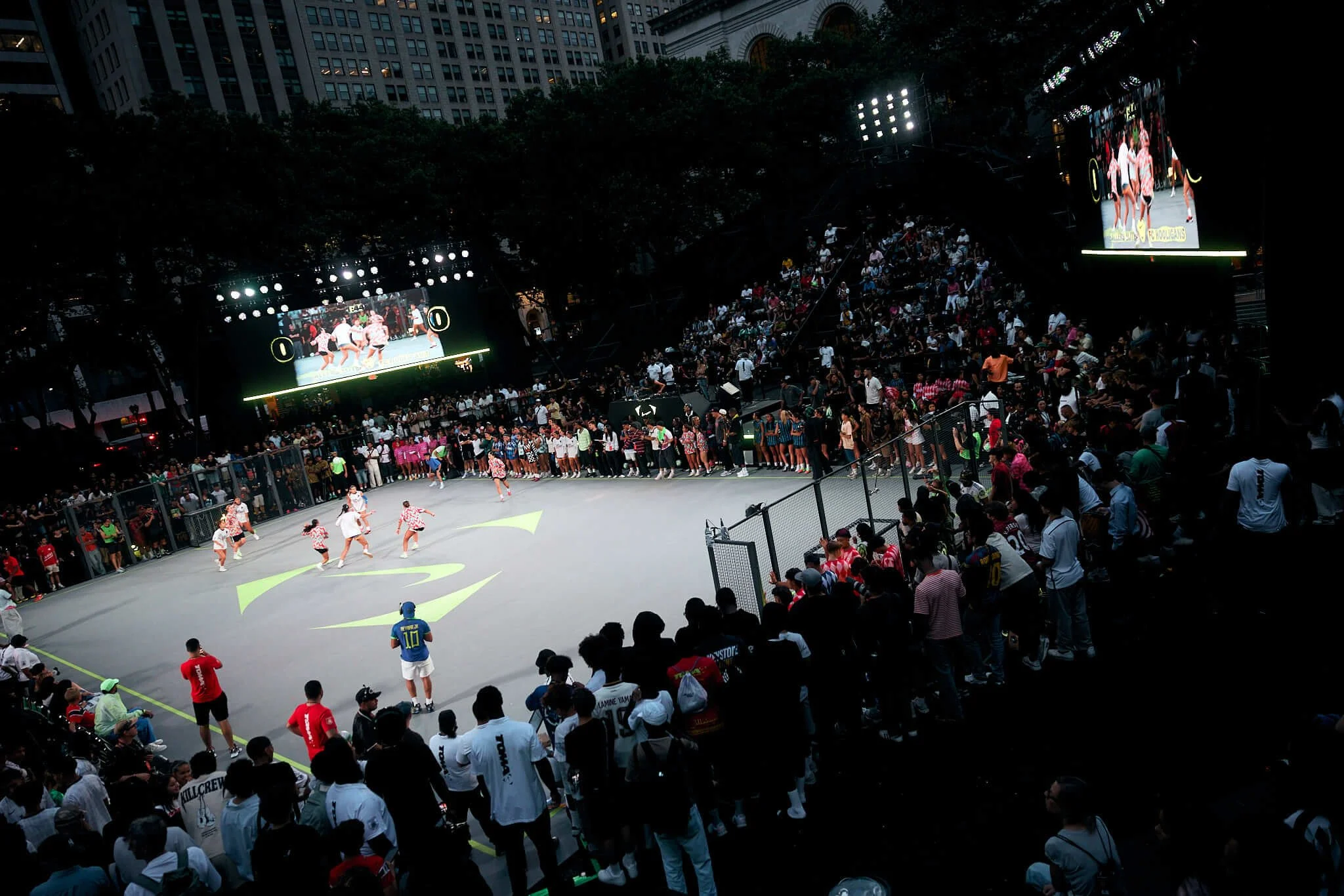
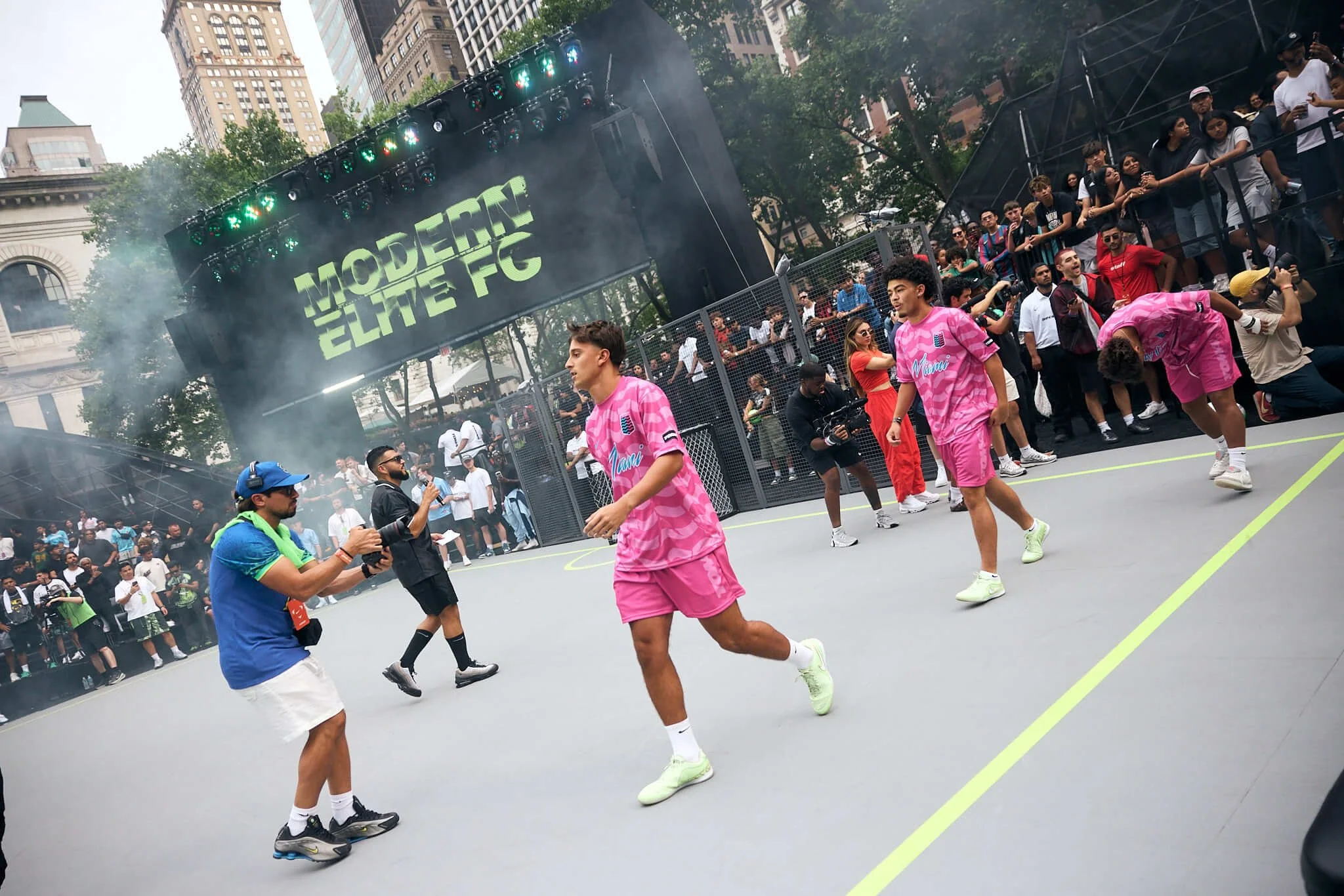
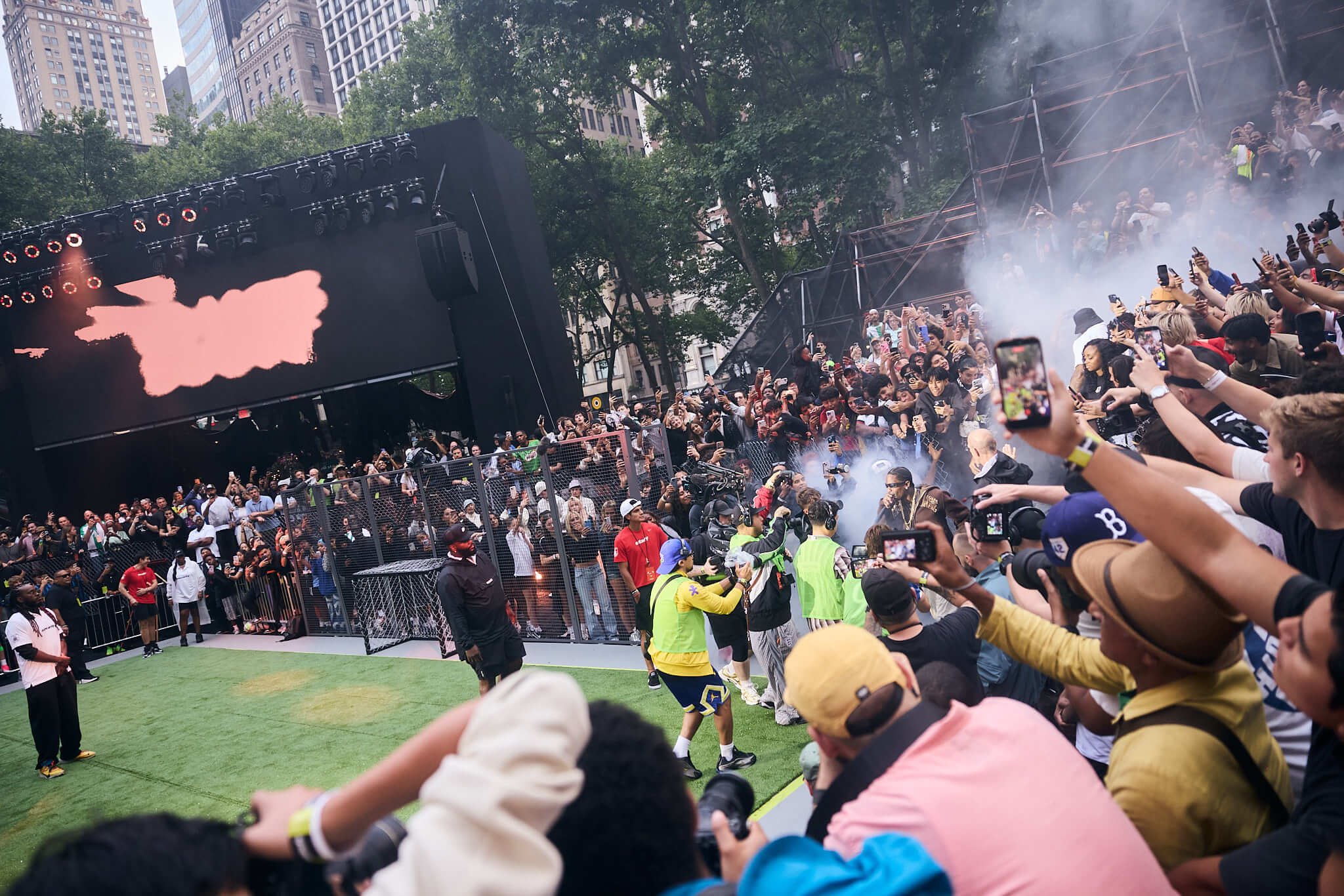
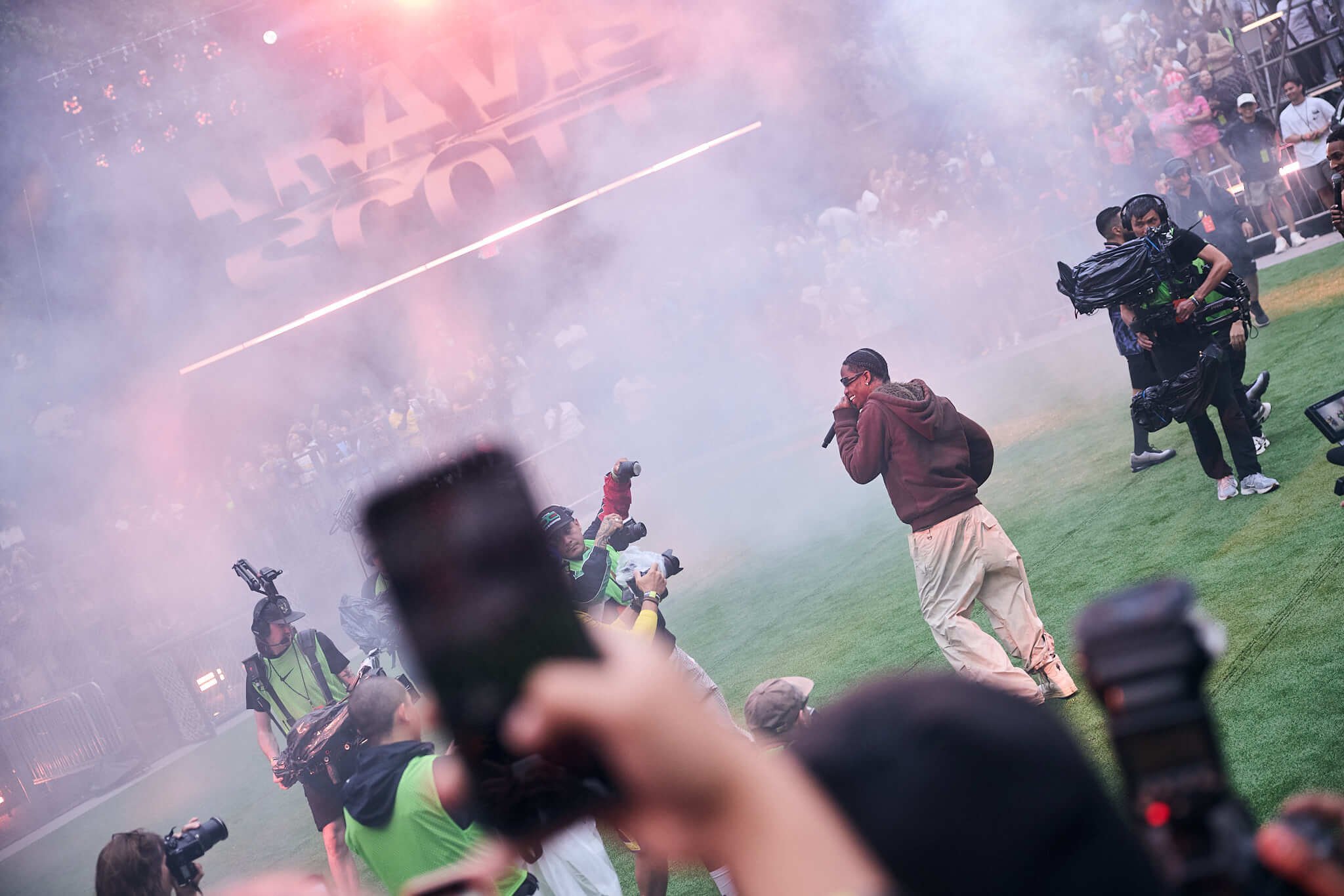
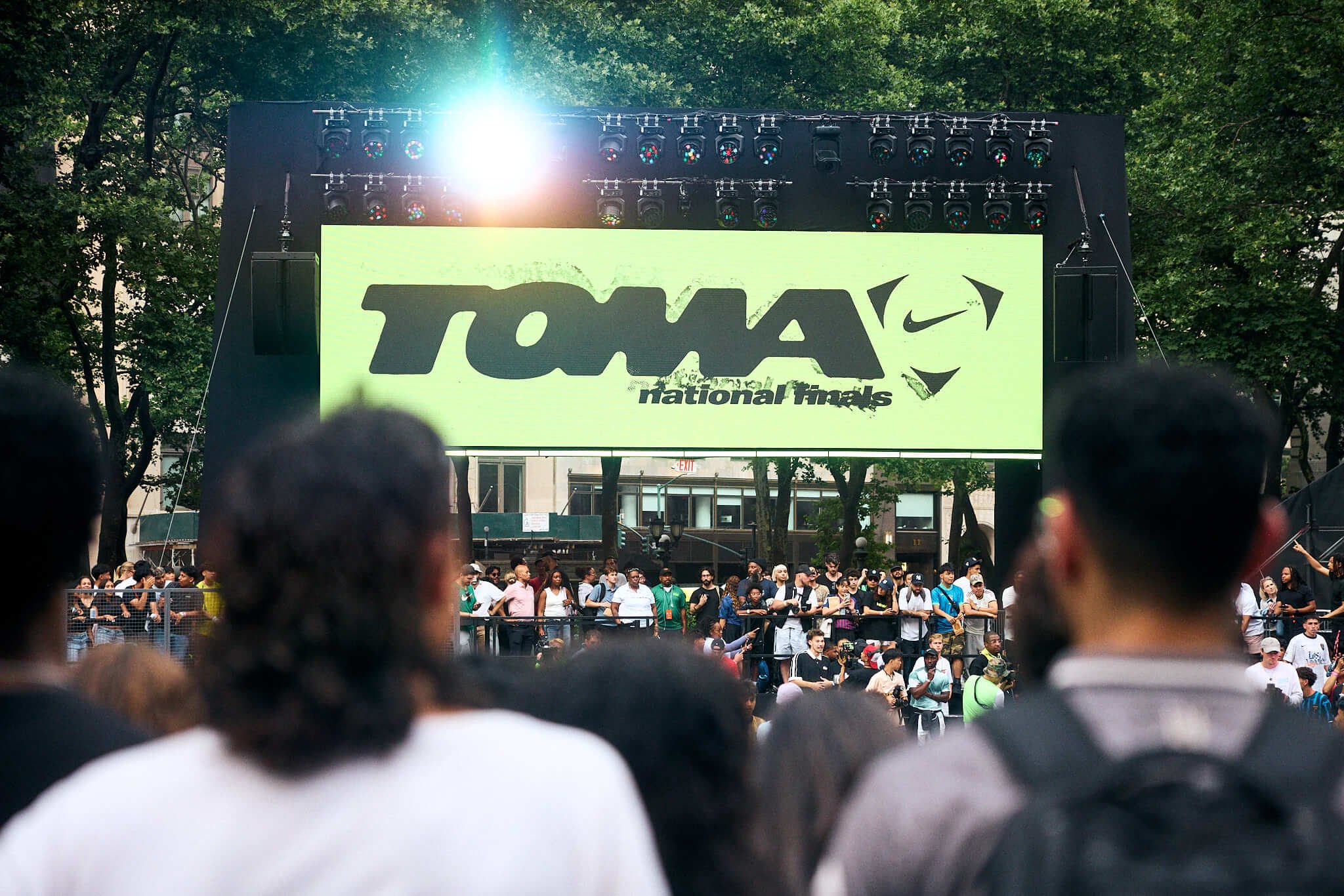
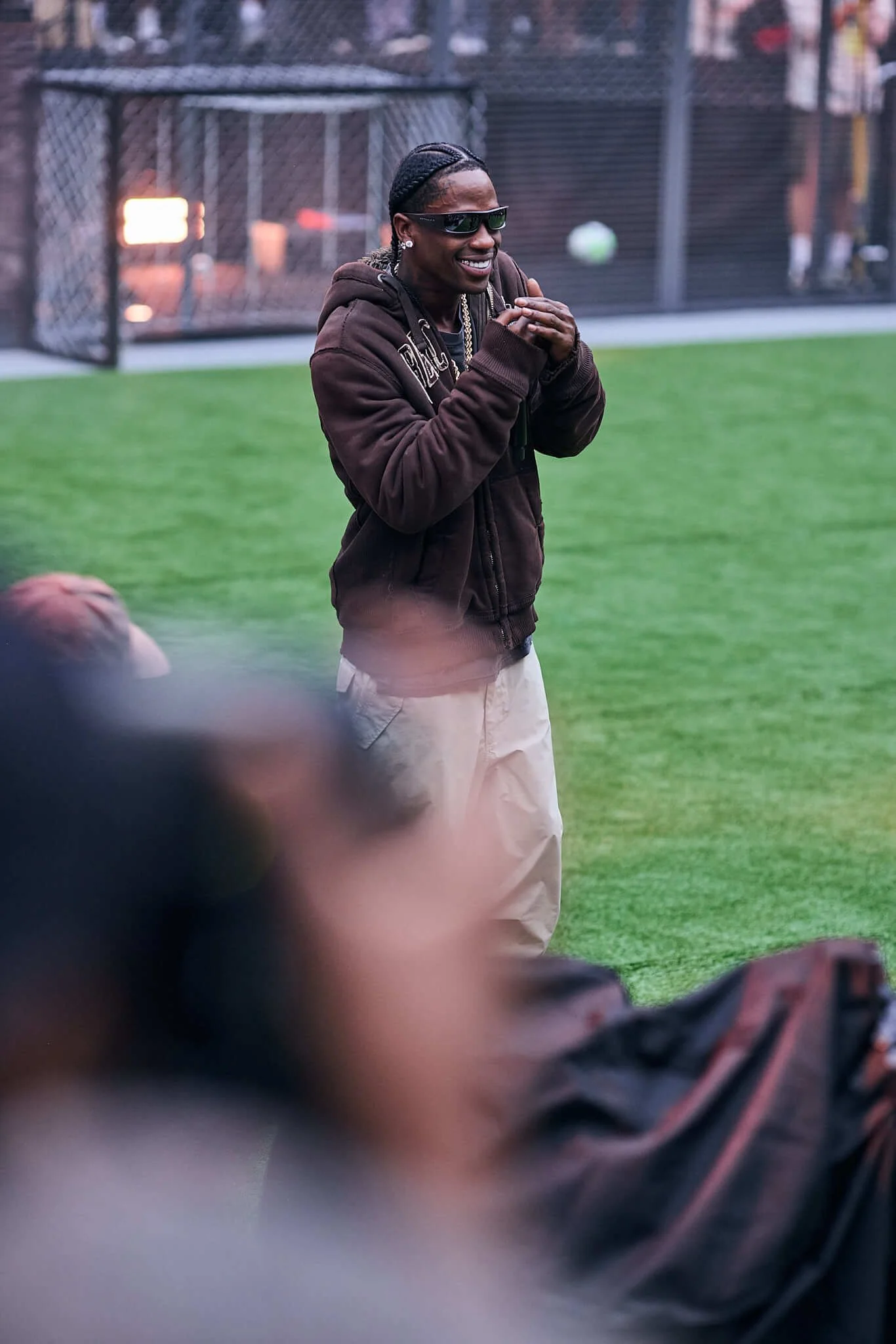
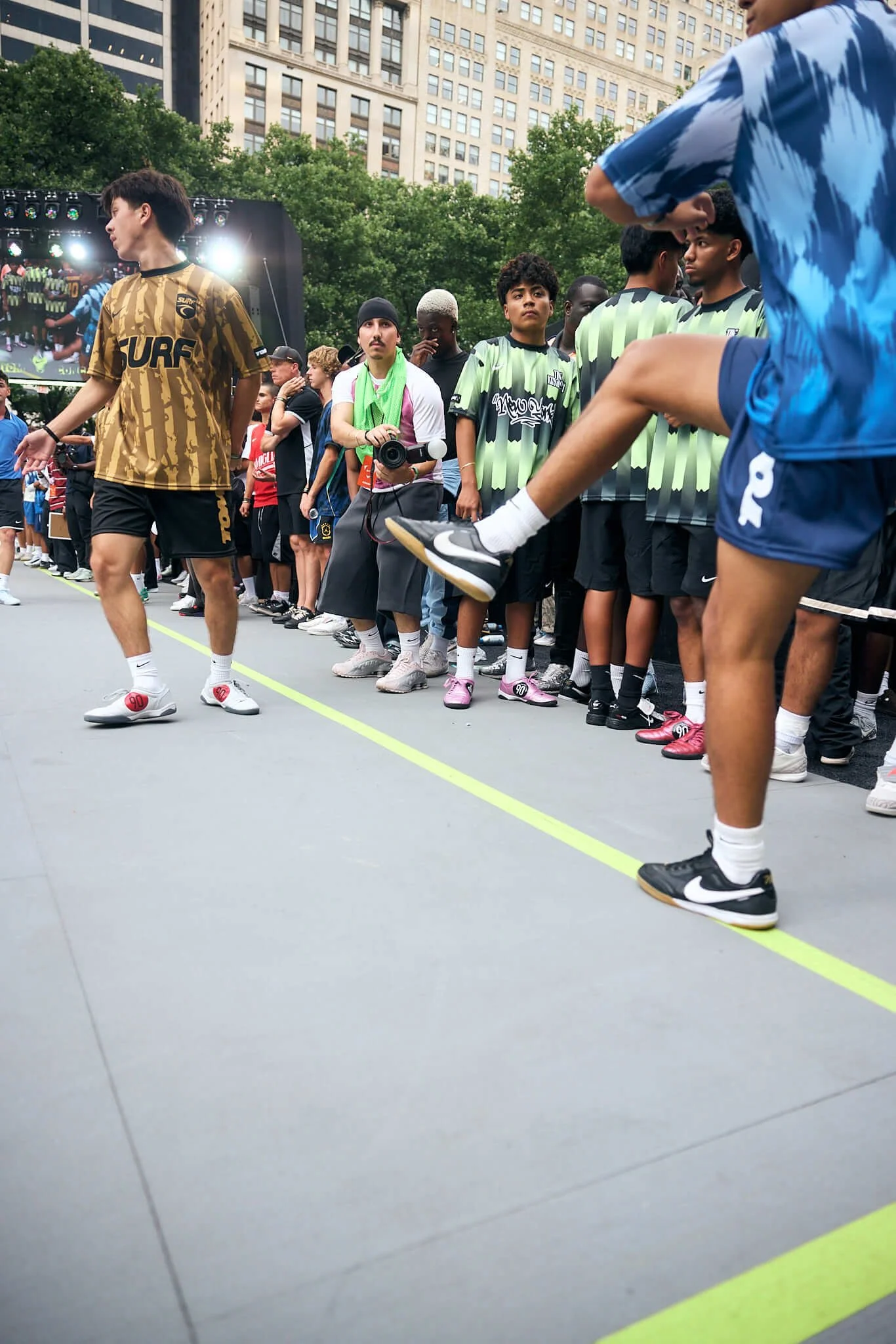
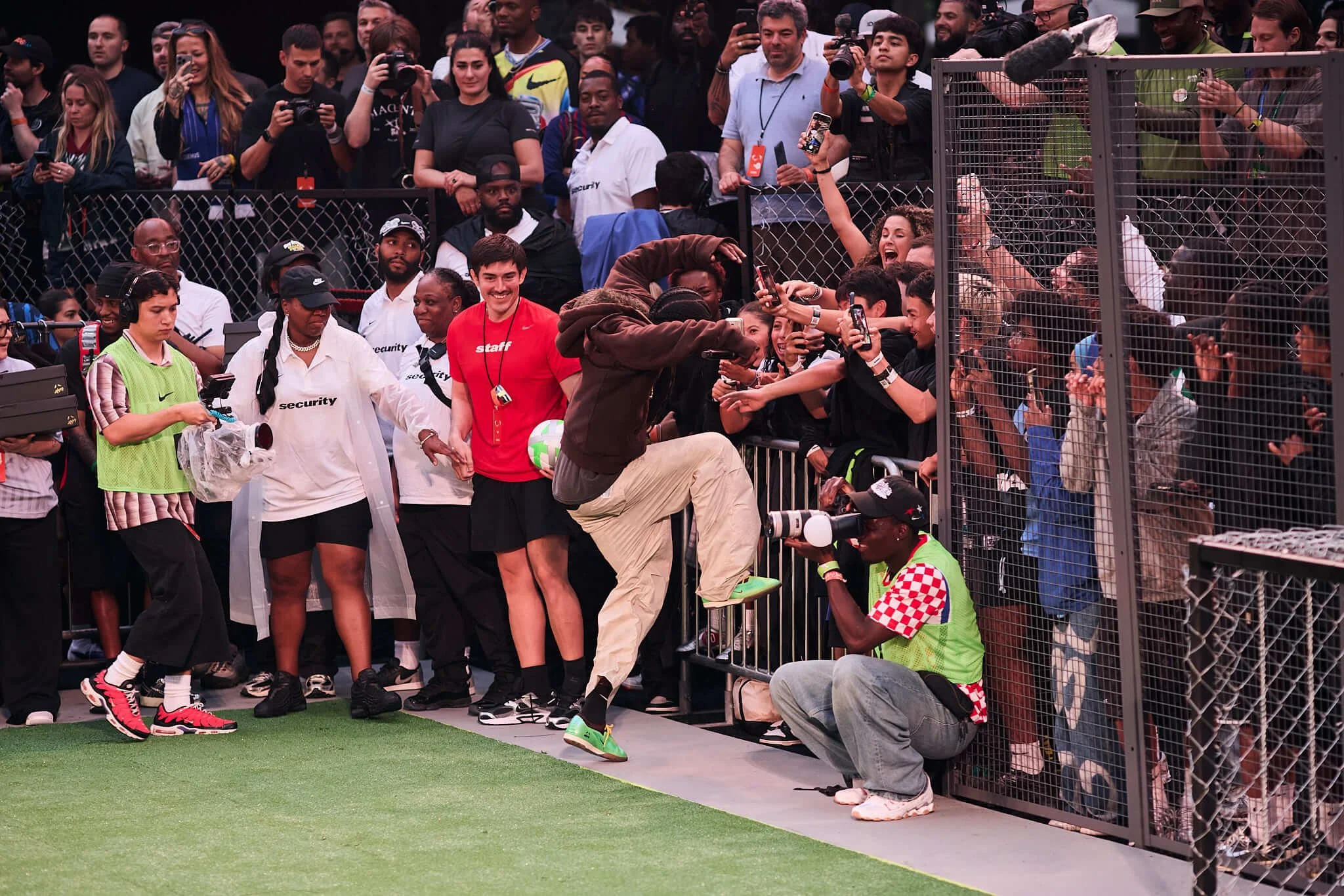
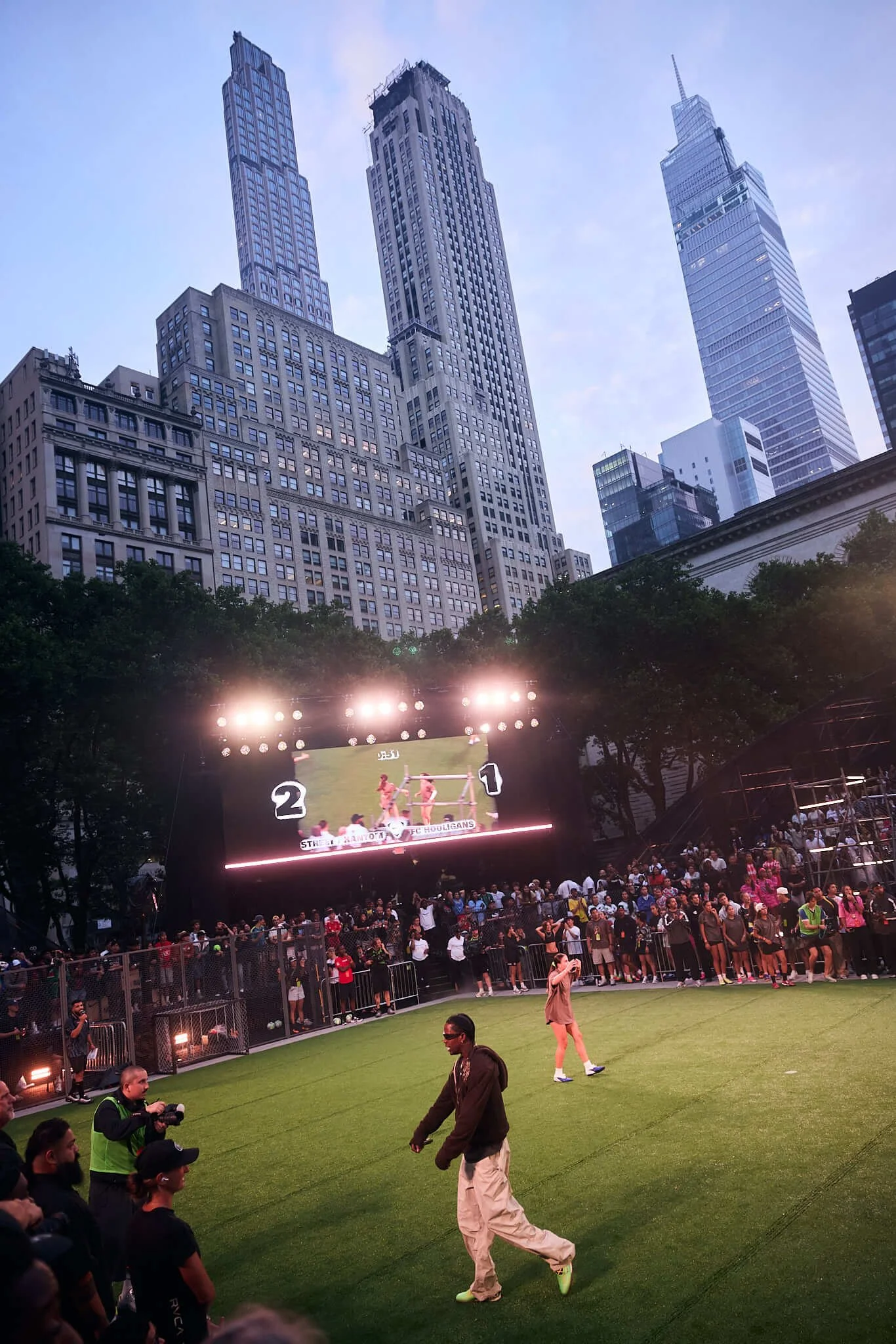
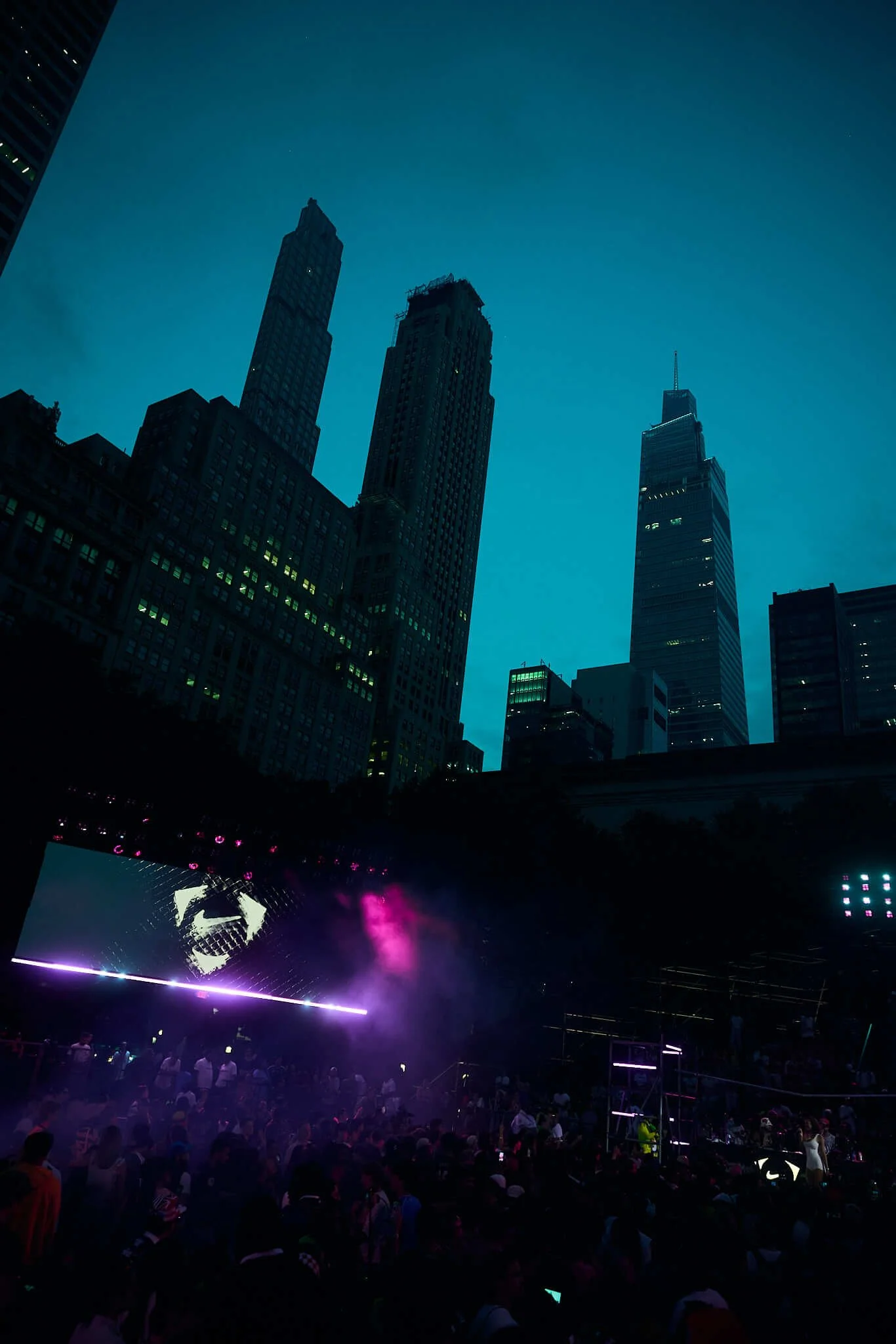
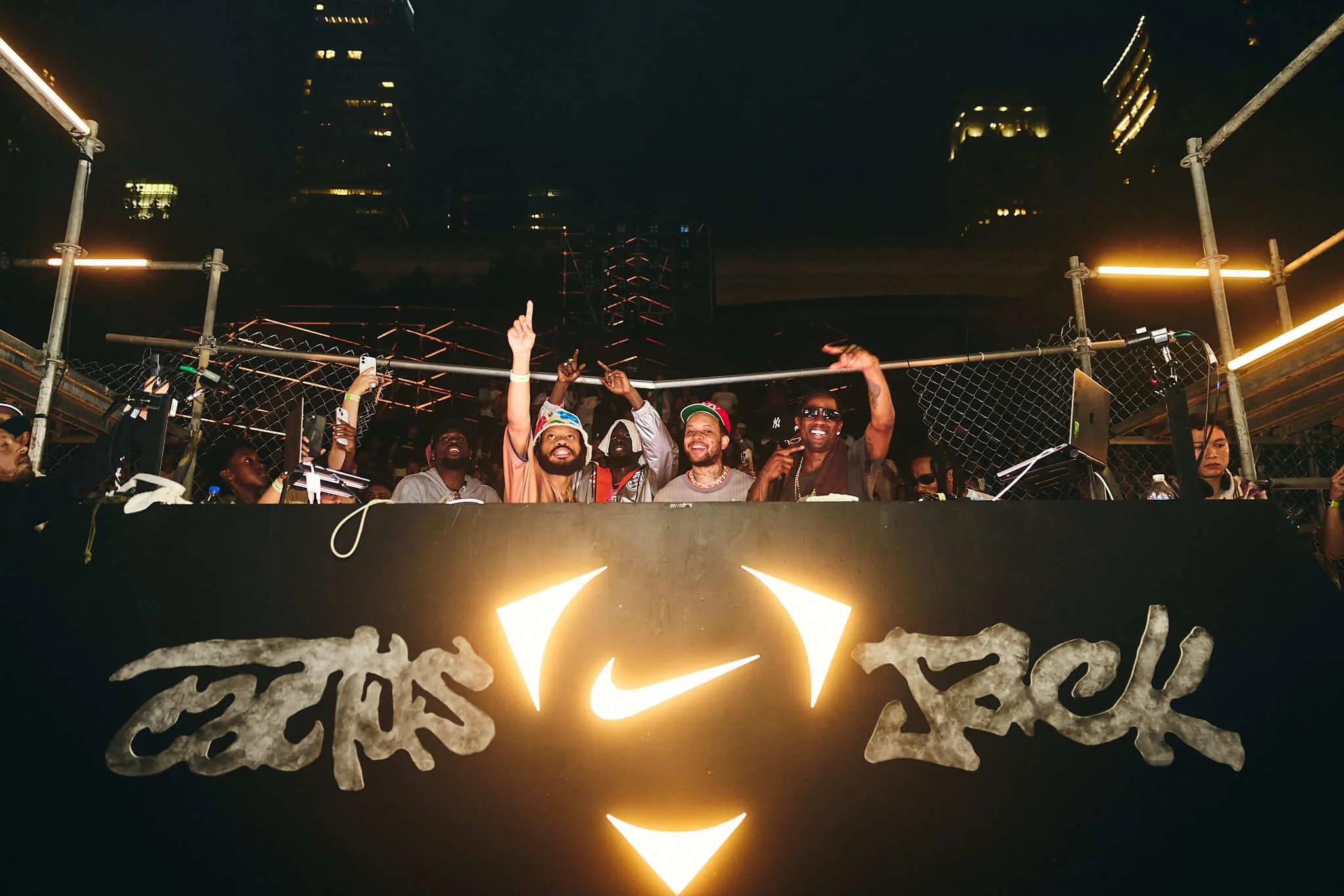
For three days, we transformed Bryant Park into the biggest Toma stage yet, creating a massive street soccer destination in the middle of Manhattan.
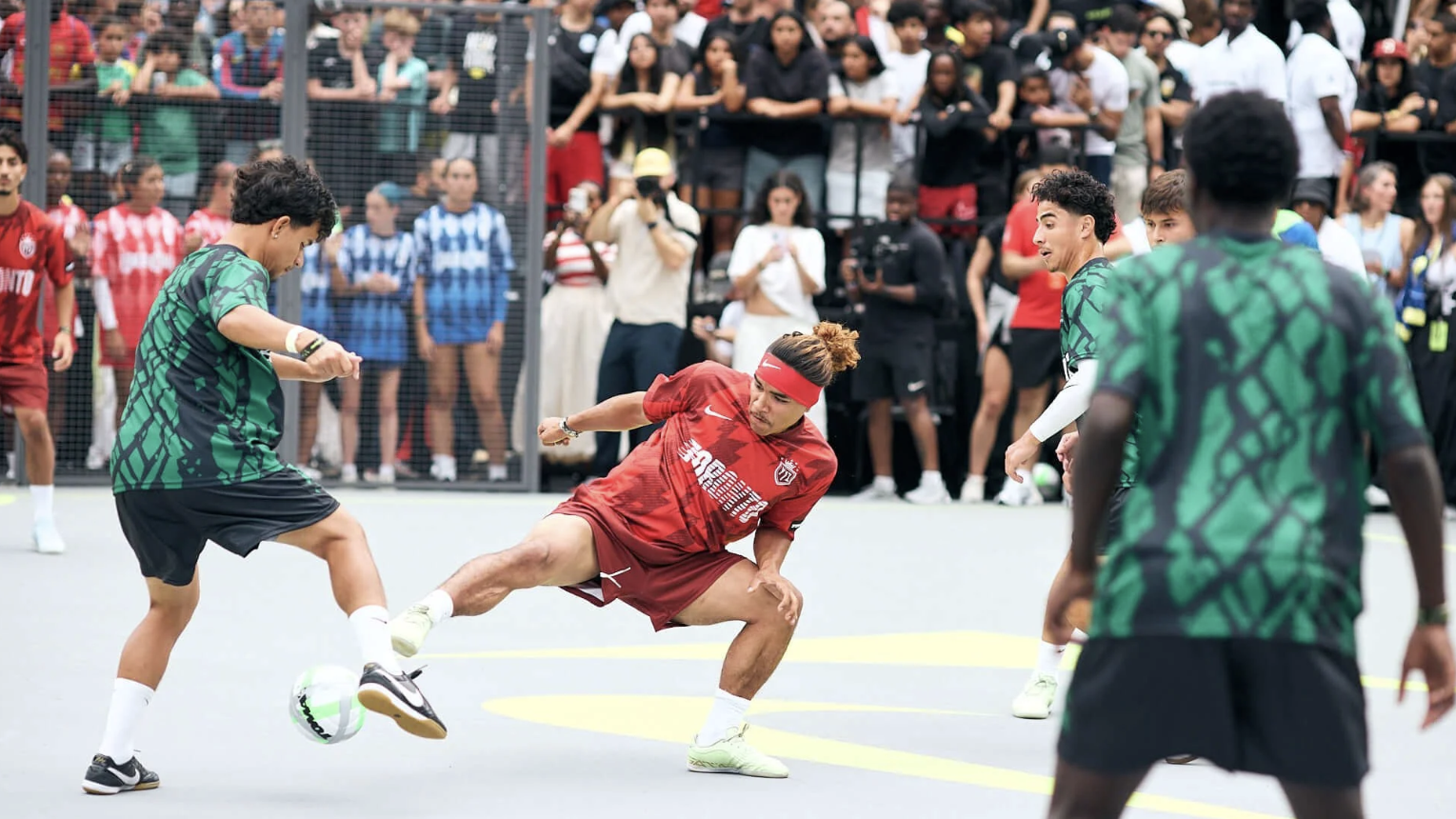
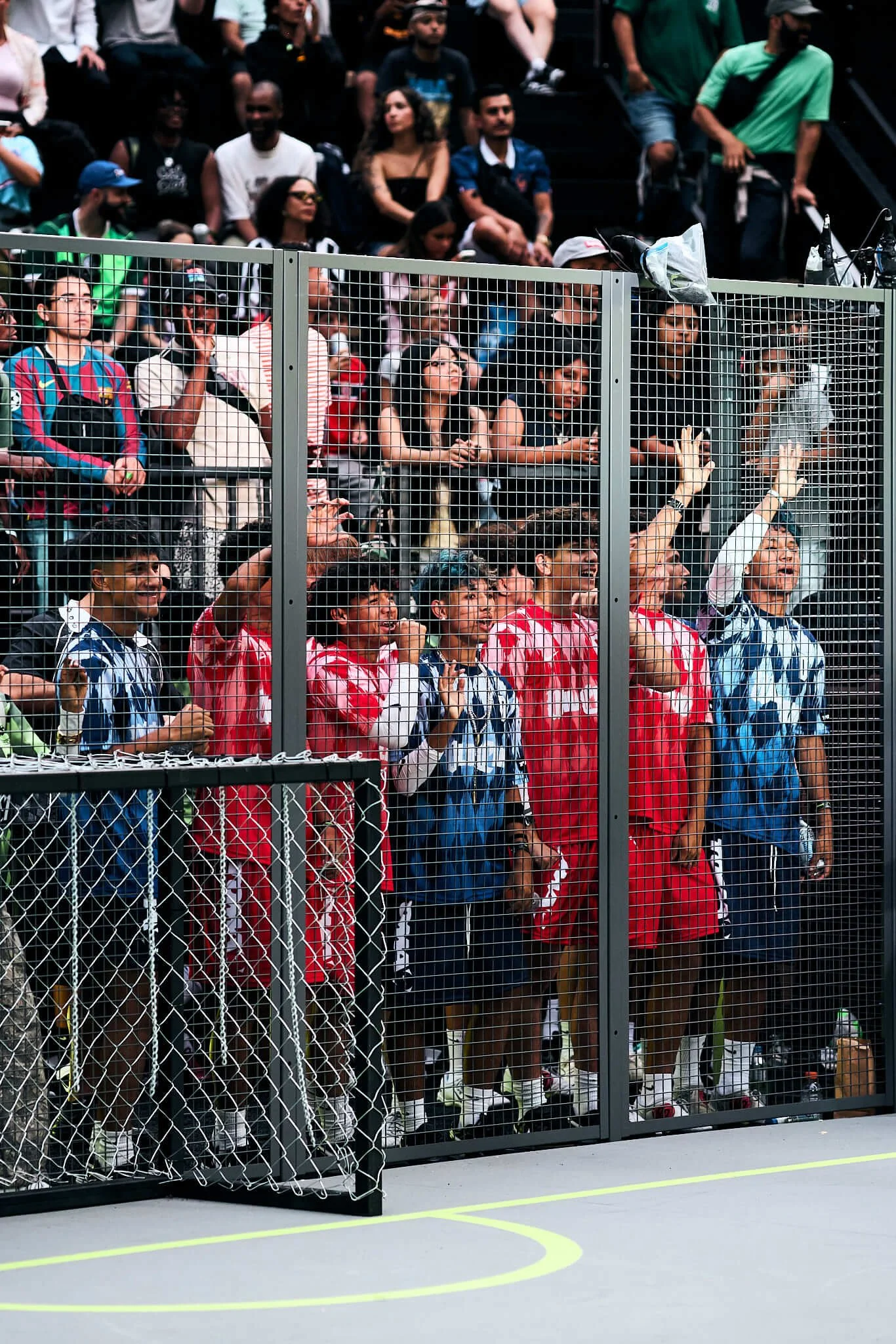
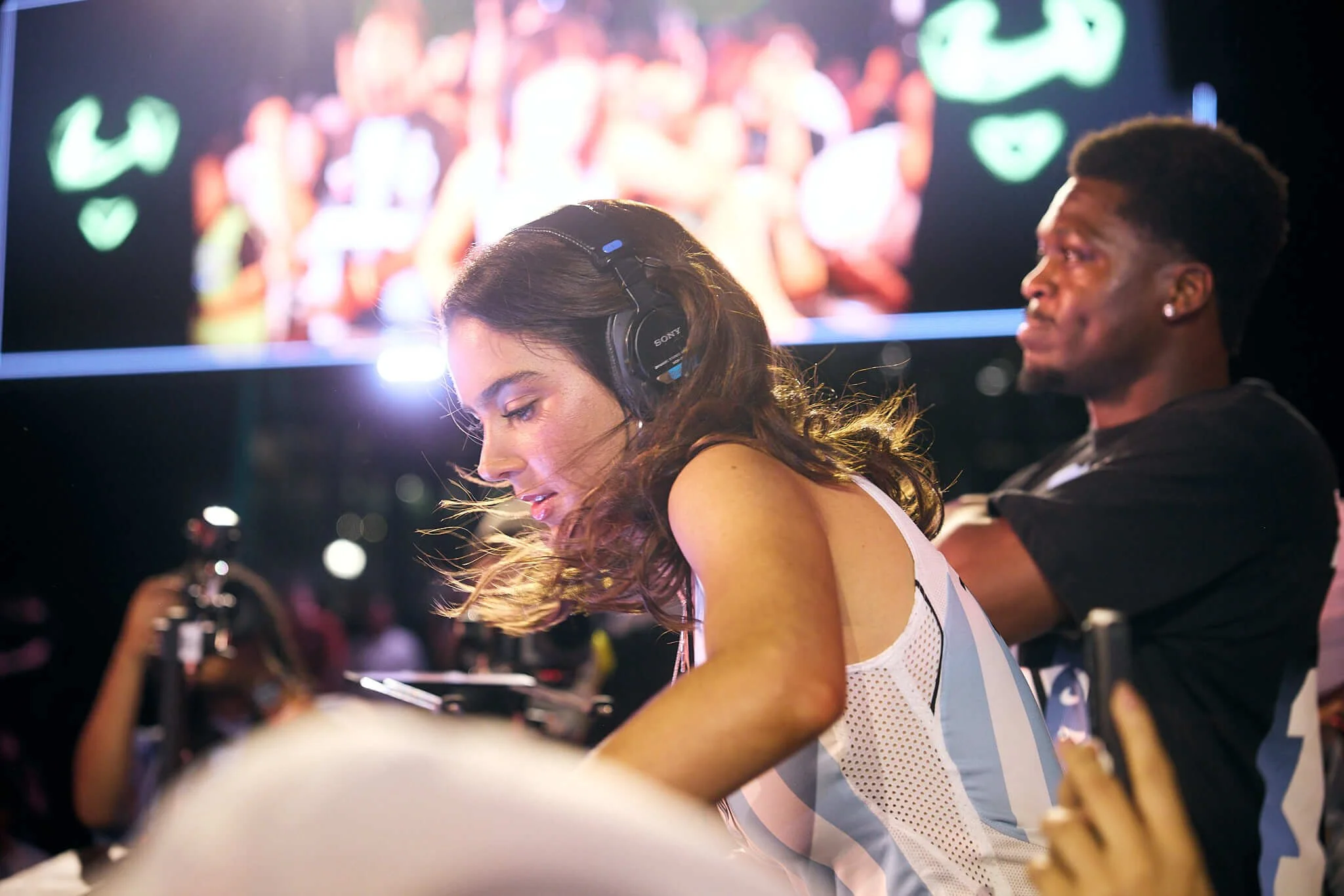
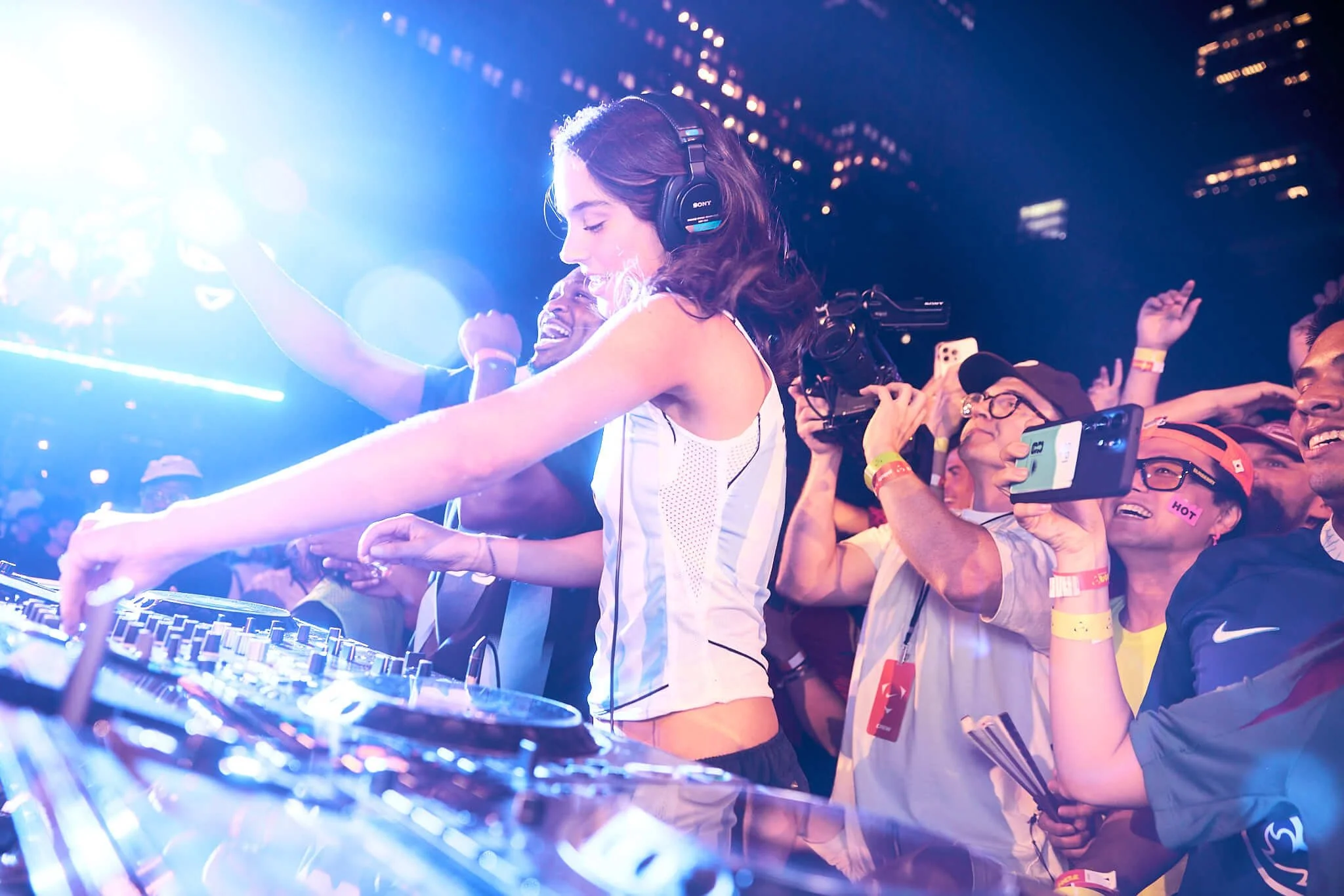
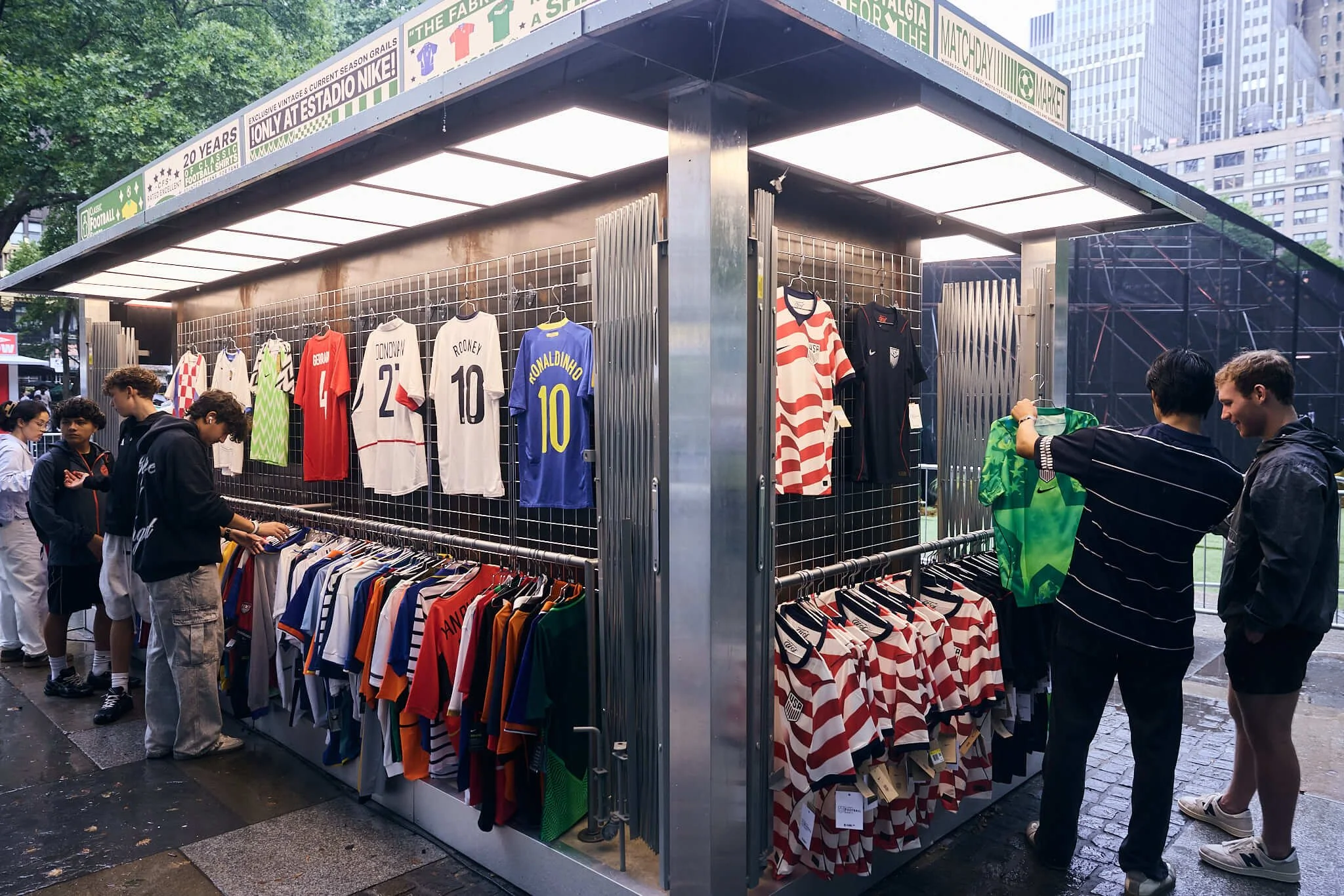
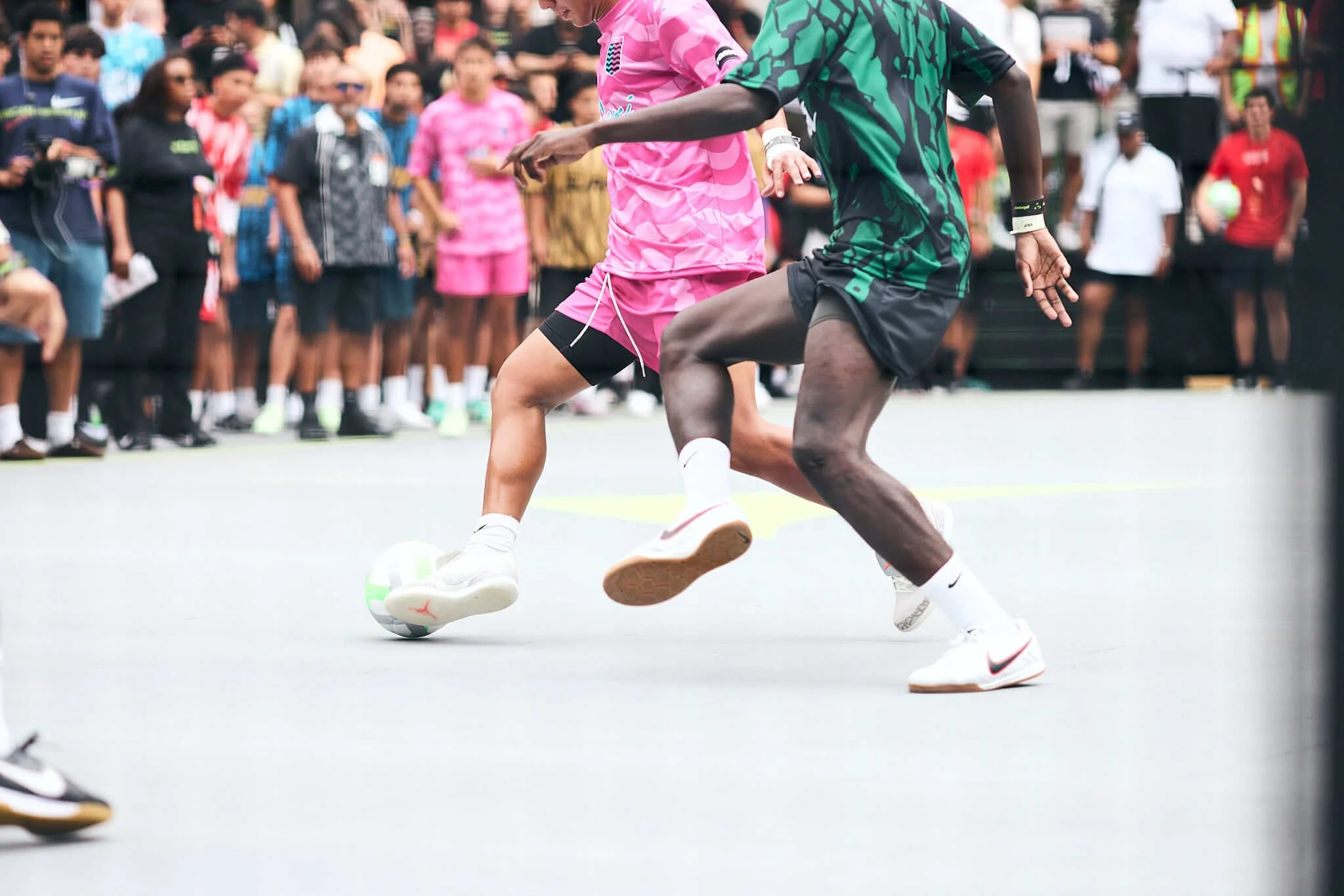
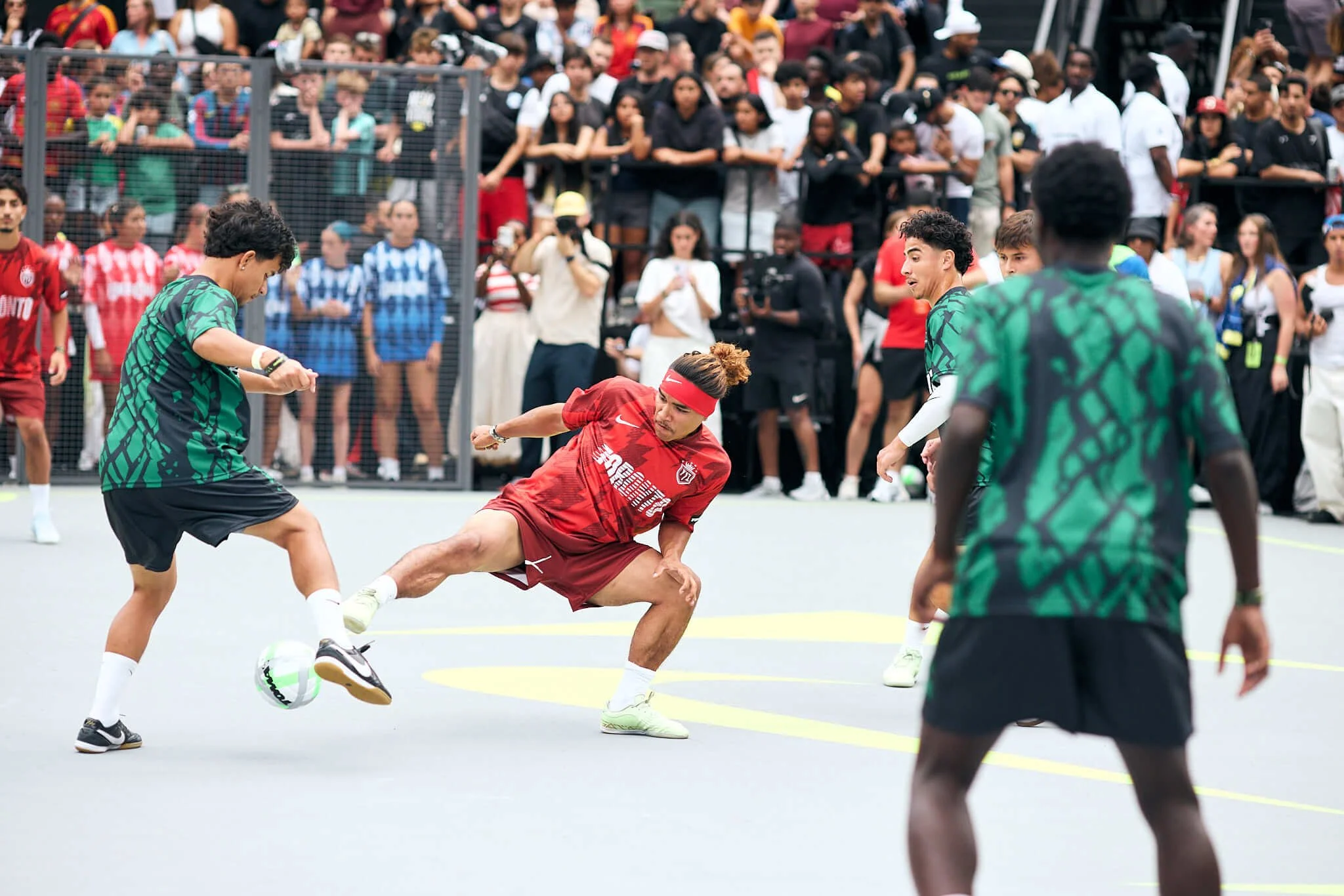
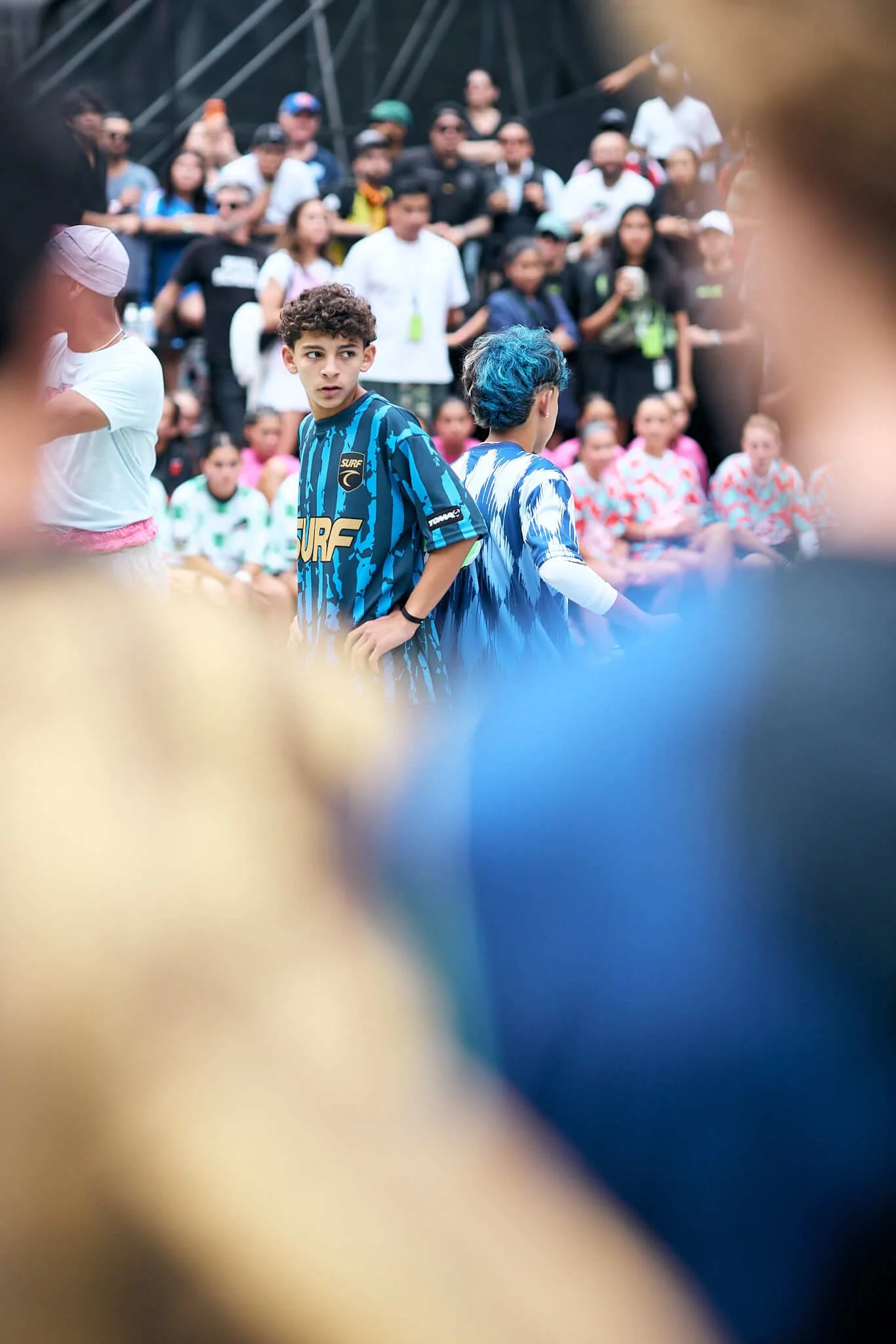
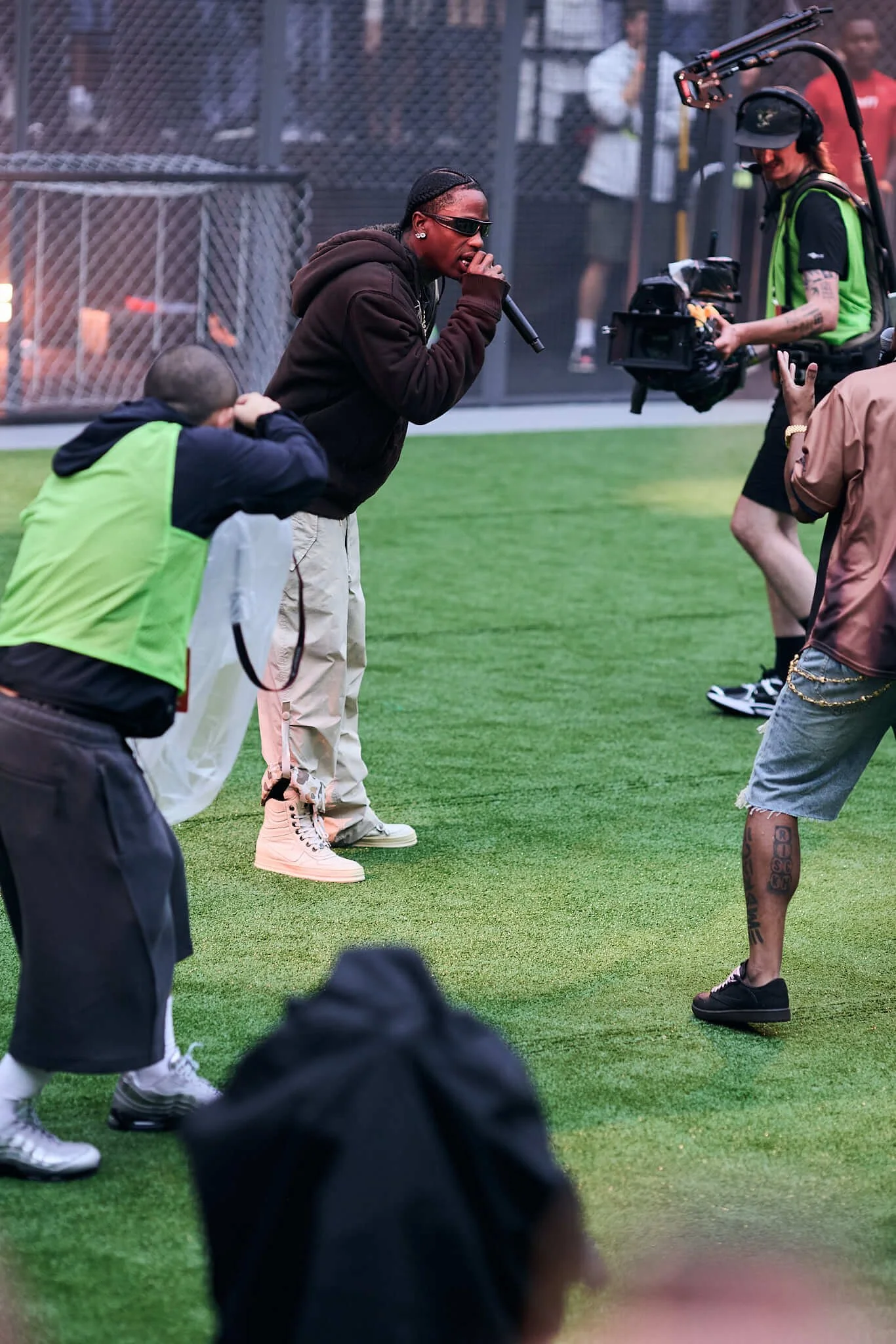
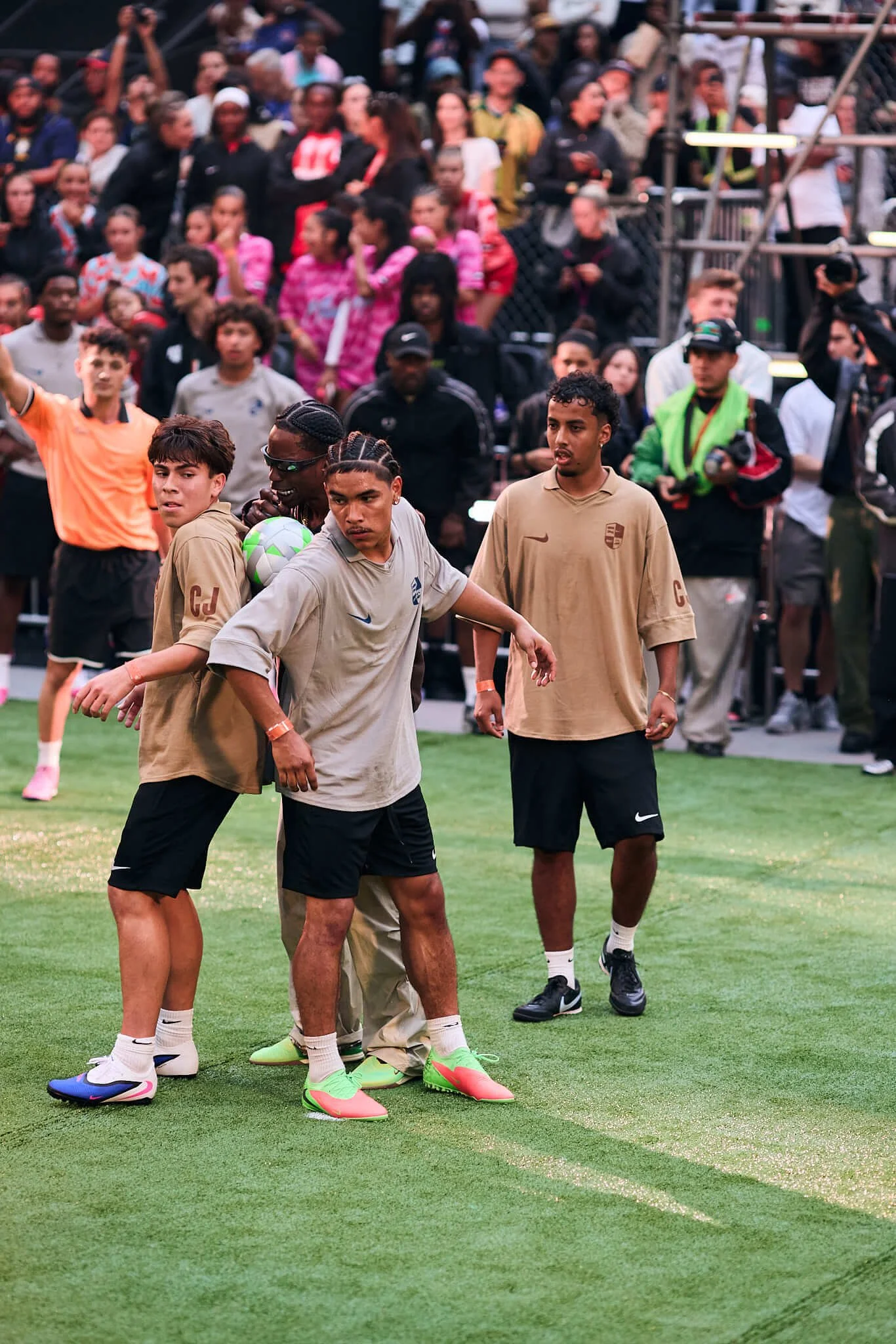
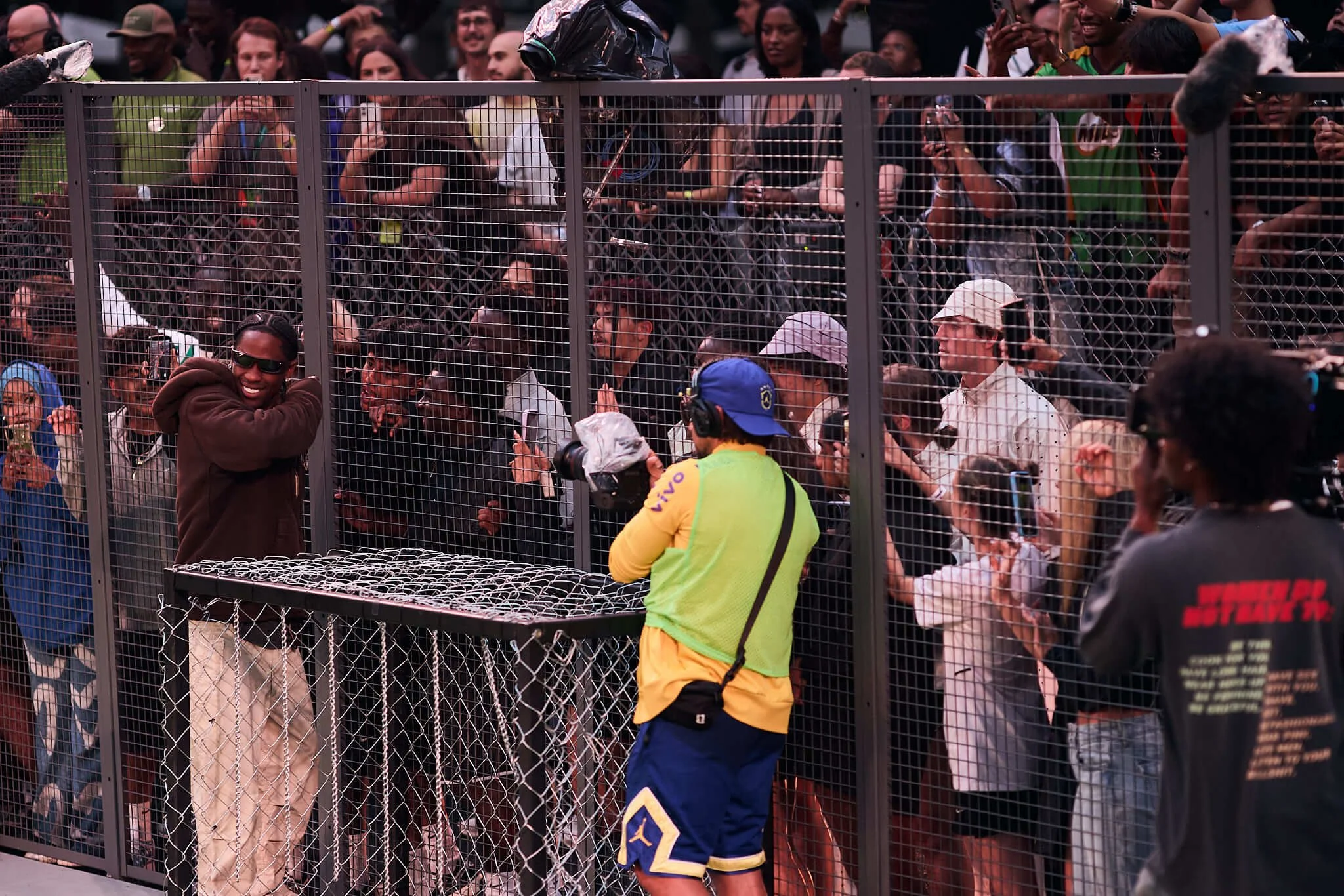
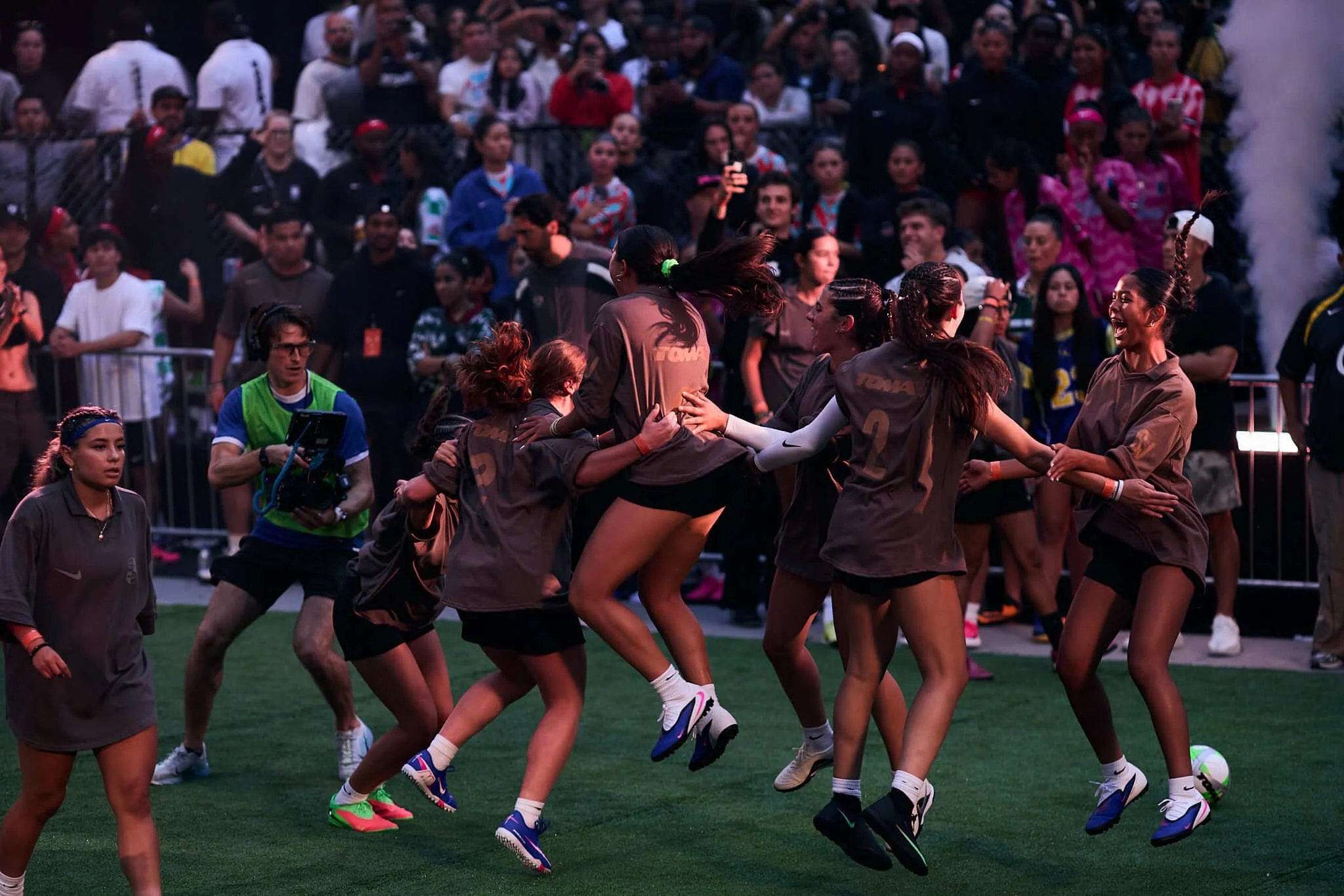
At its center was Estadio Nike, a 16,000-square-foot open-air soccer arena where more than 150 of North America's standout teenage ballers competed in high-energy 4v4 and 1v1 matchups. Surrounding it, the Toma Night Market expanded the experience beyond competition, bringing together soccer, music, food, local merchandise and culture through a distinctly New York lens.
Players hadn't simply been invited to Bryant Park.
They had earned their way there.
And that journey became part of what made the Finals matter.
Our Outcome
What began on neighborhood courts became a global stage.
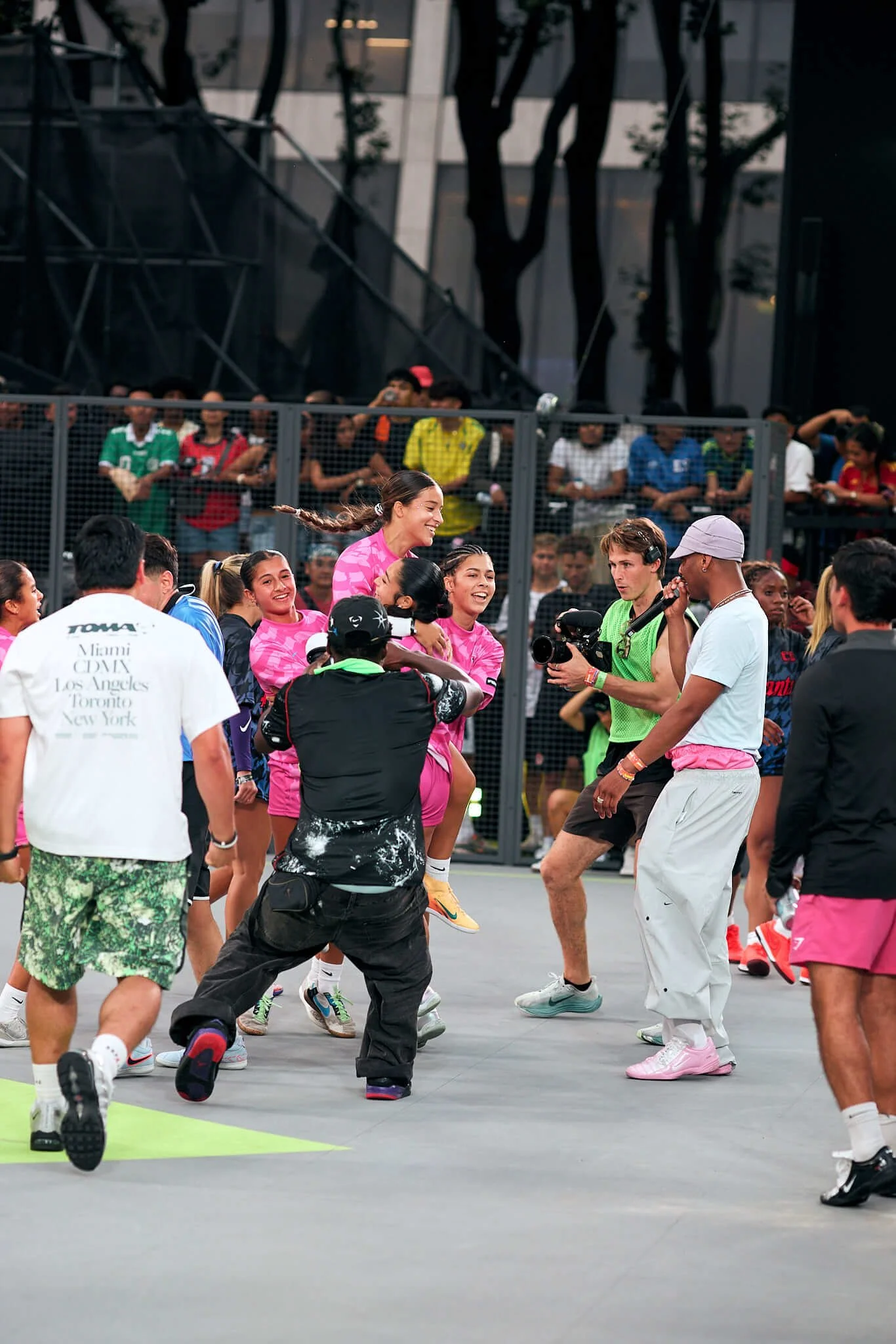
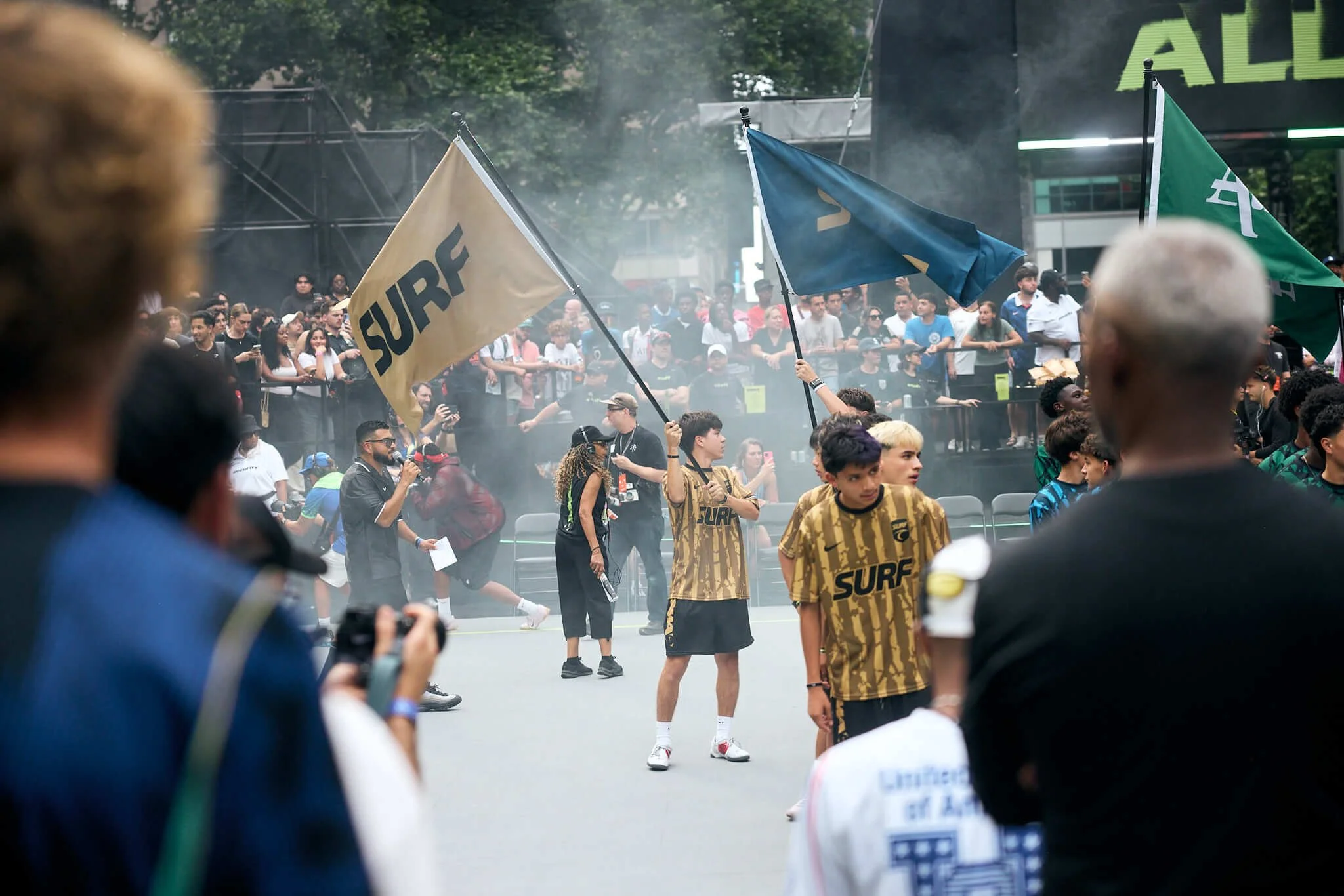
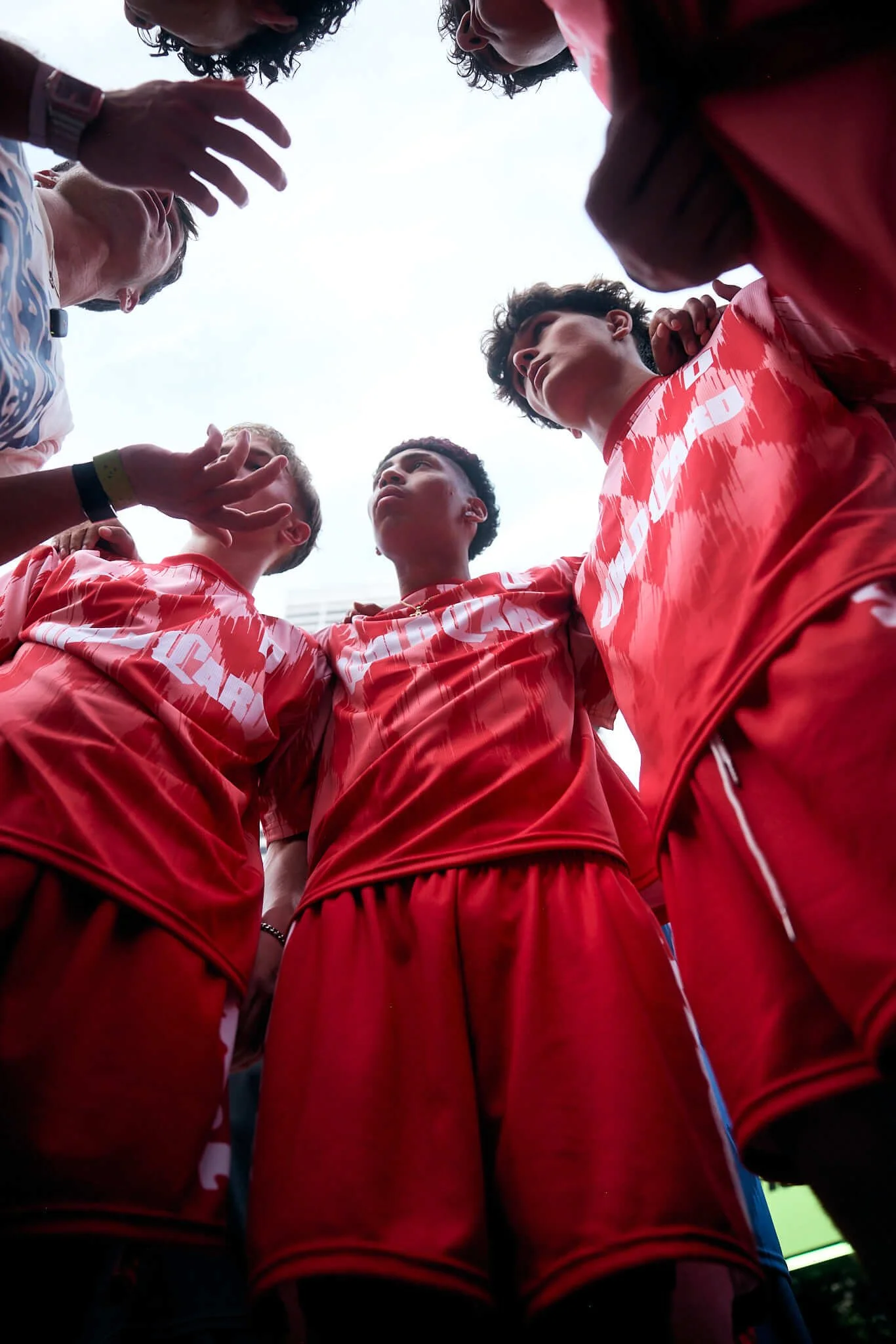
Six New York crews advanced from the borough qualifiers to Bryant Park, joining more than 150 young players who had earned their place through Toma competitions across North America.
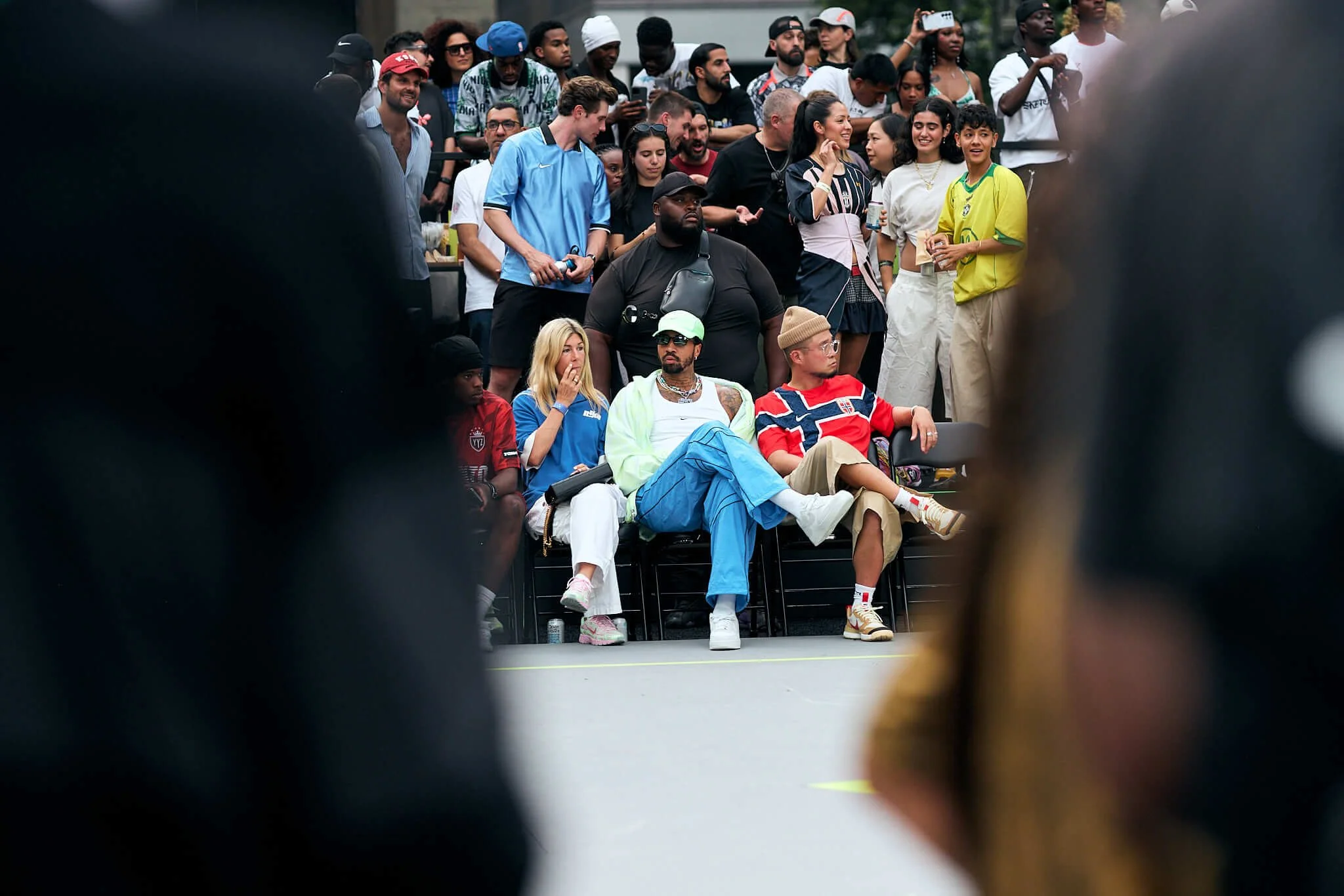
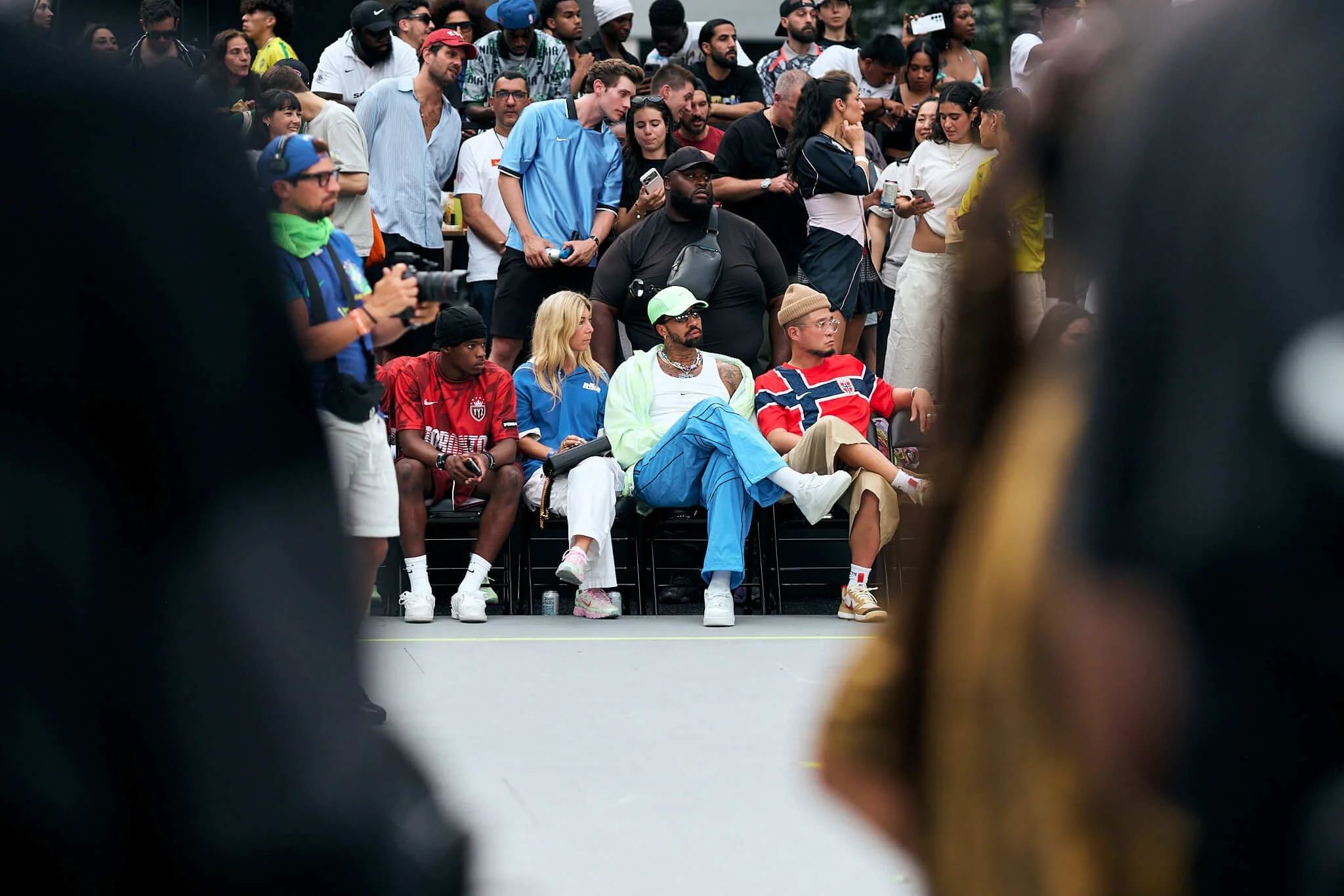
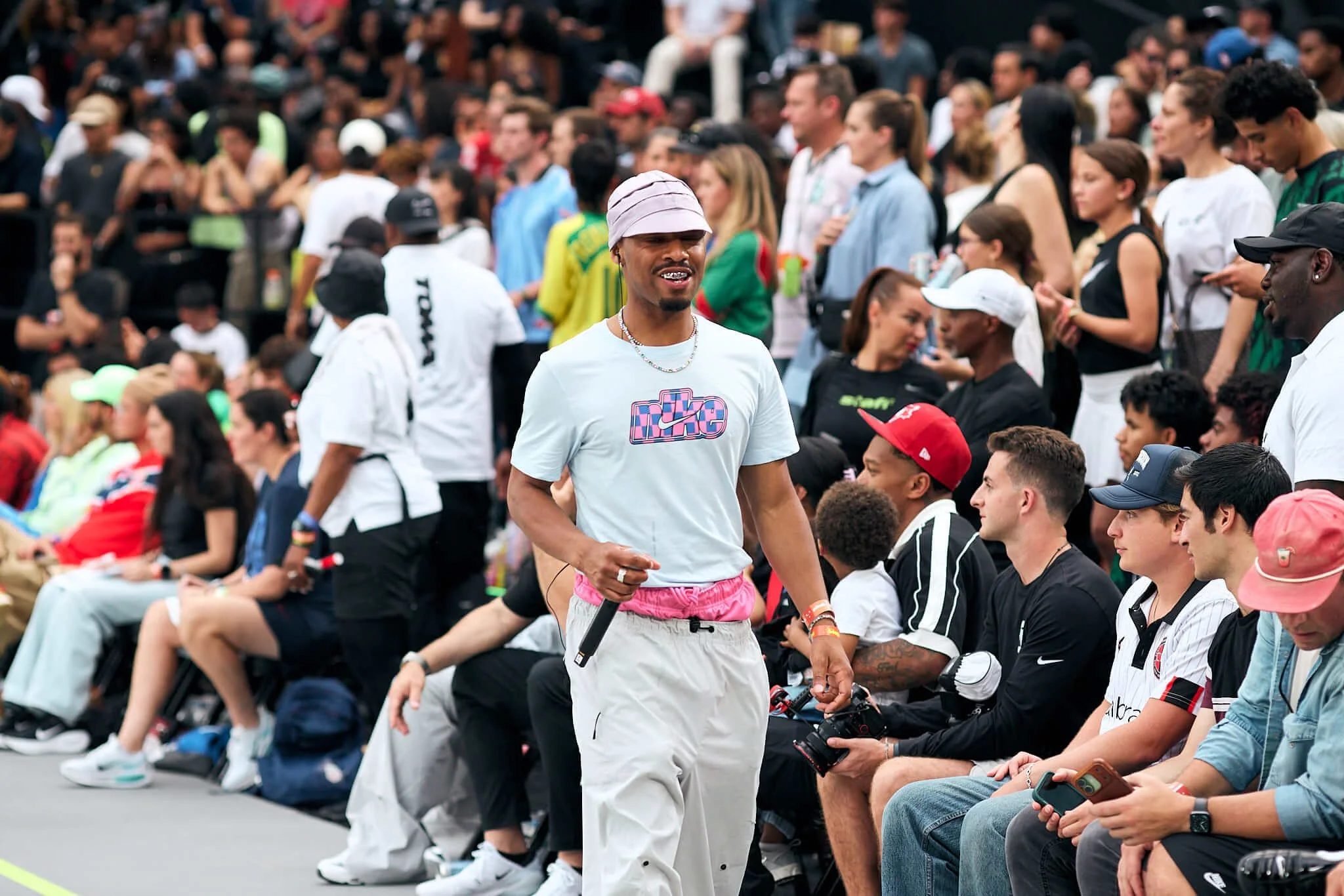
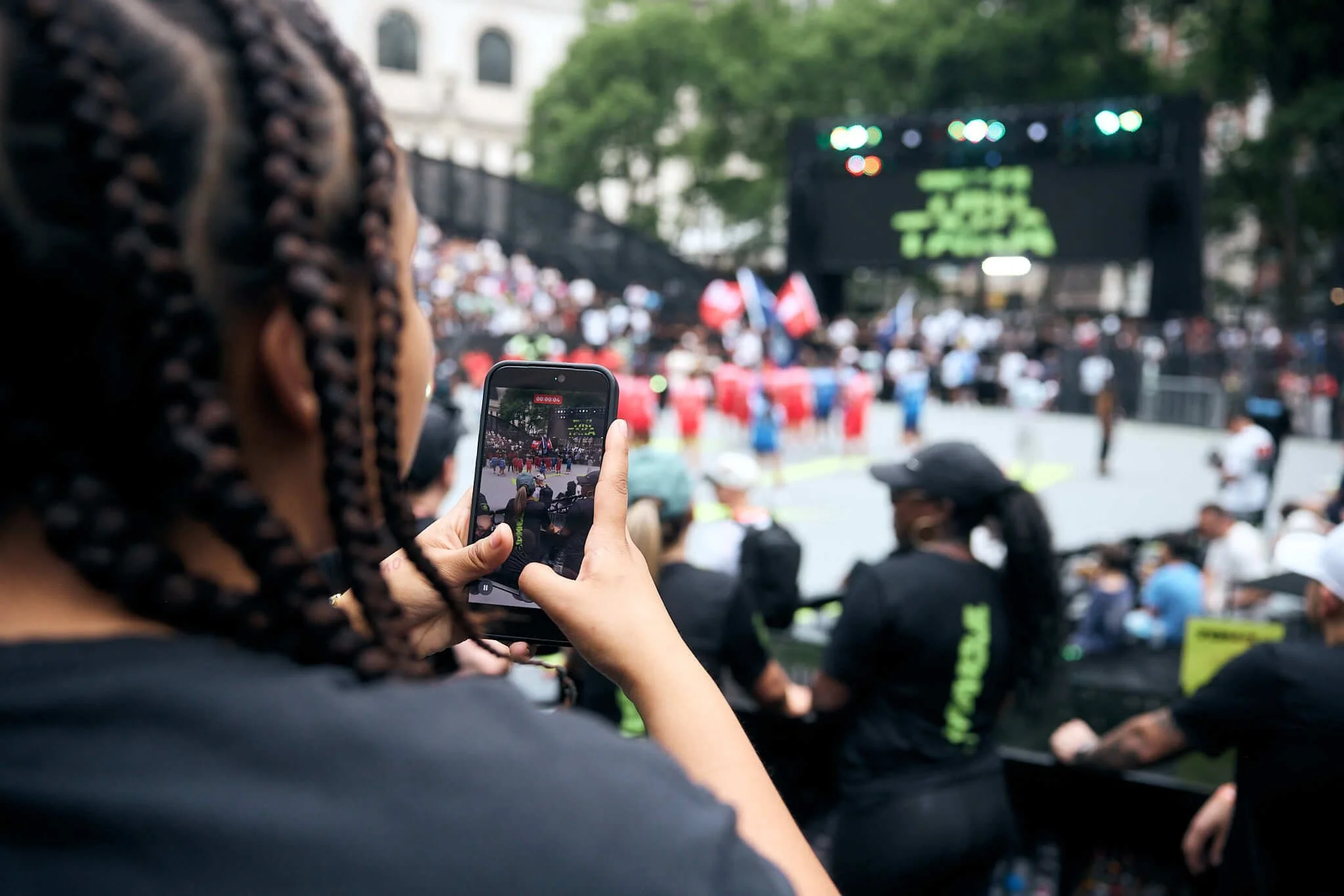
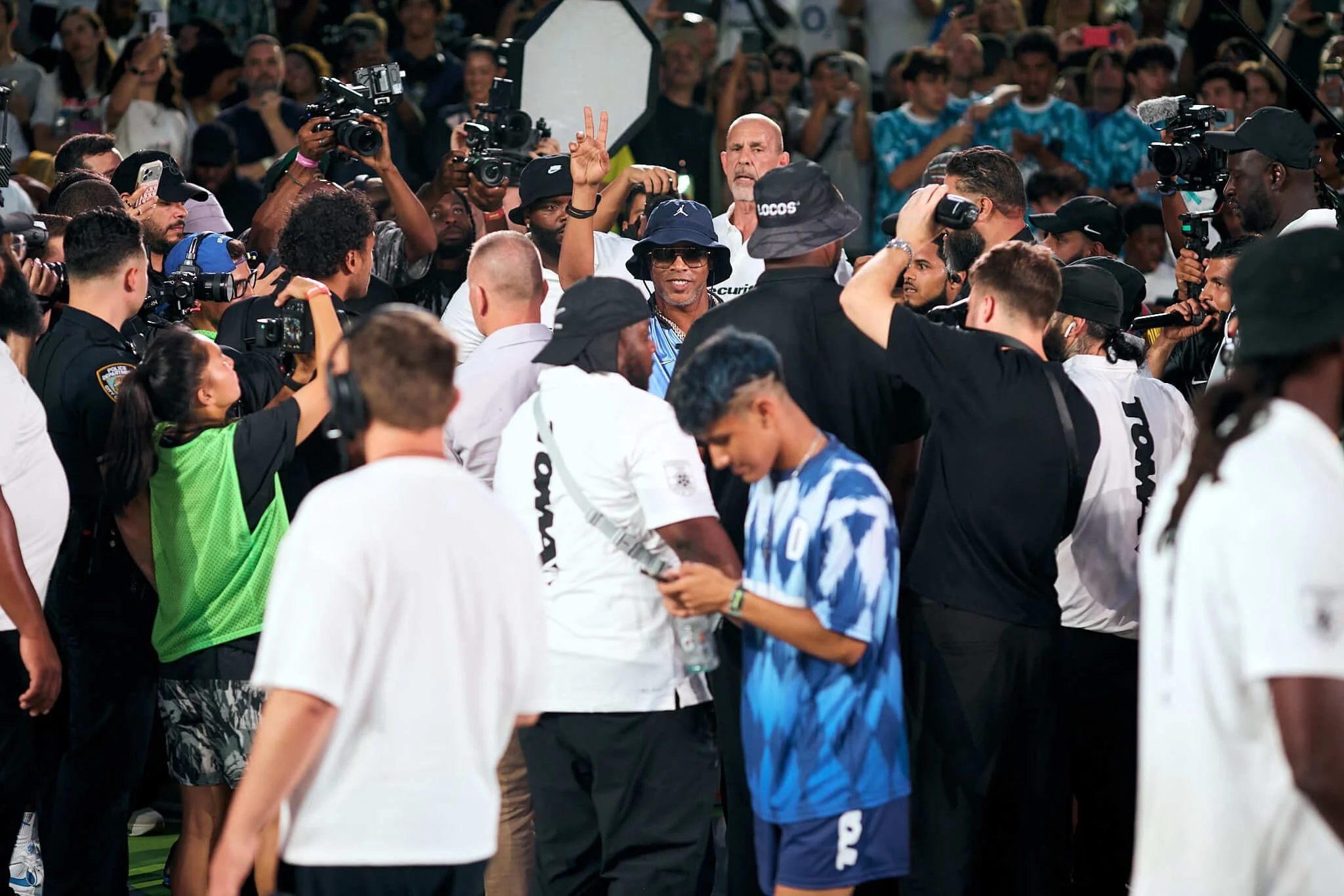
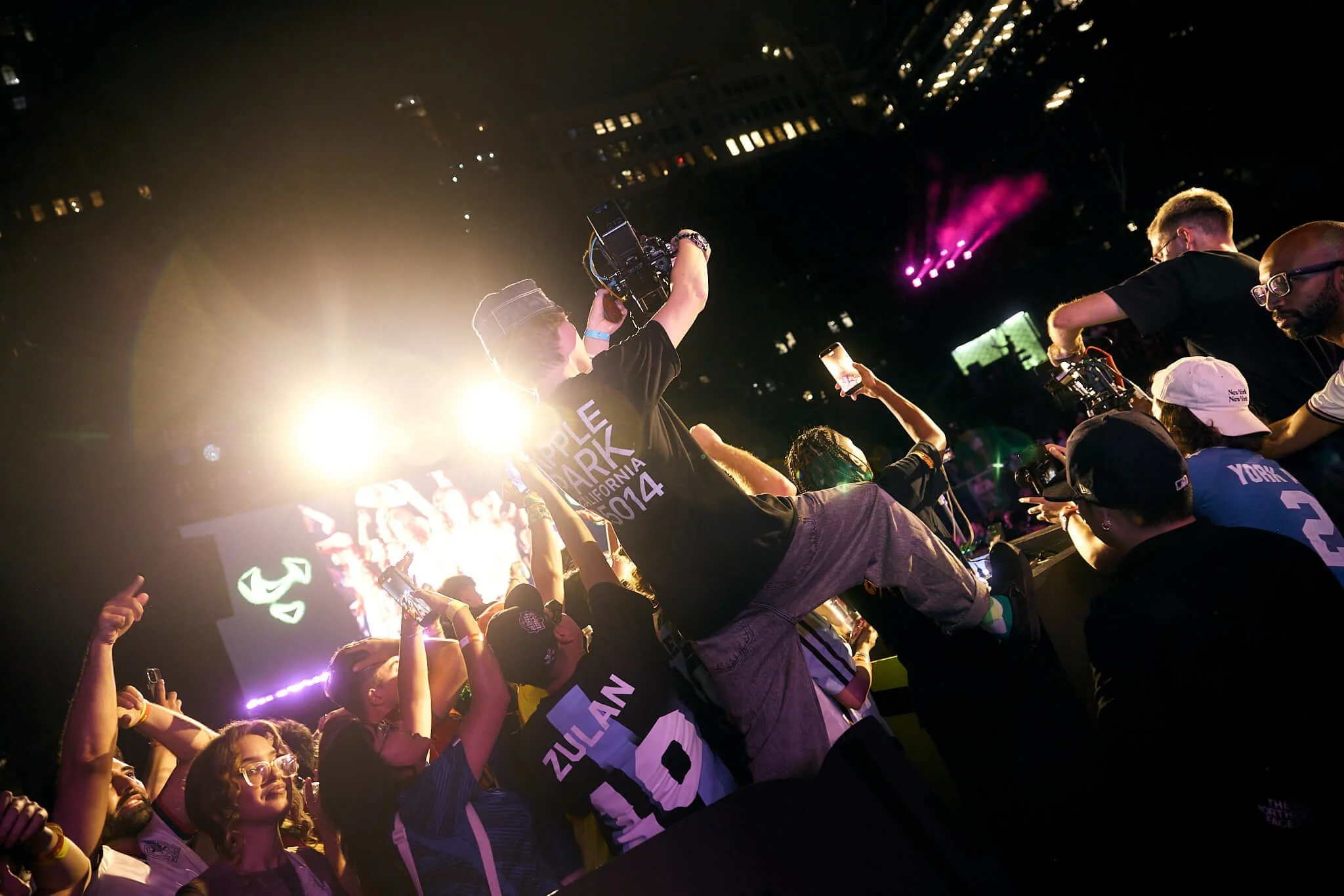
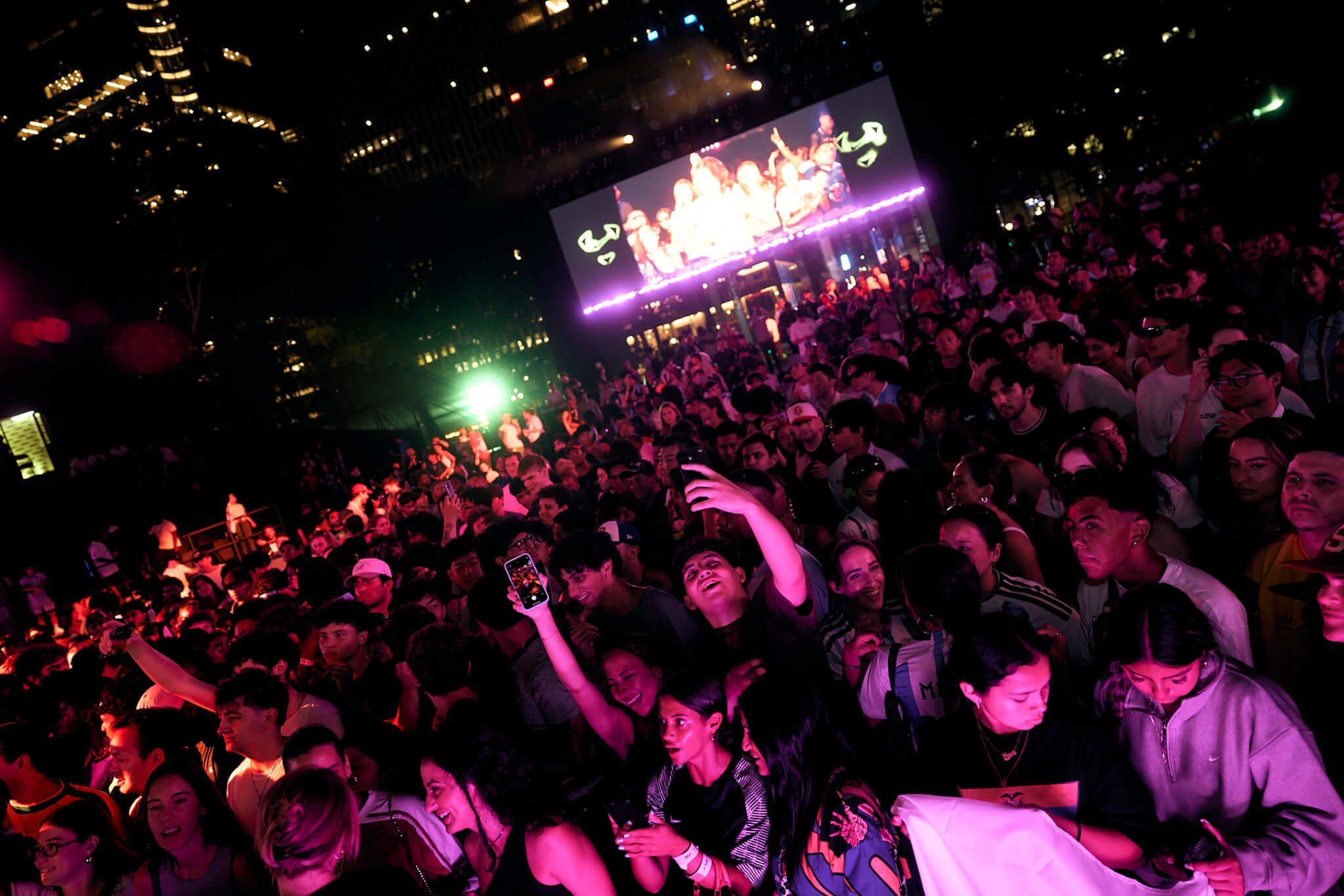
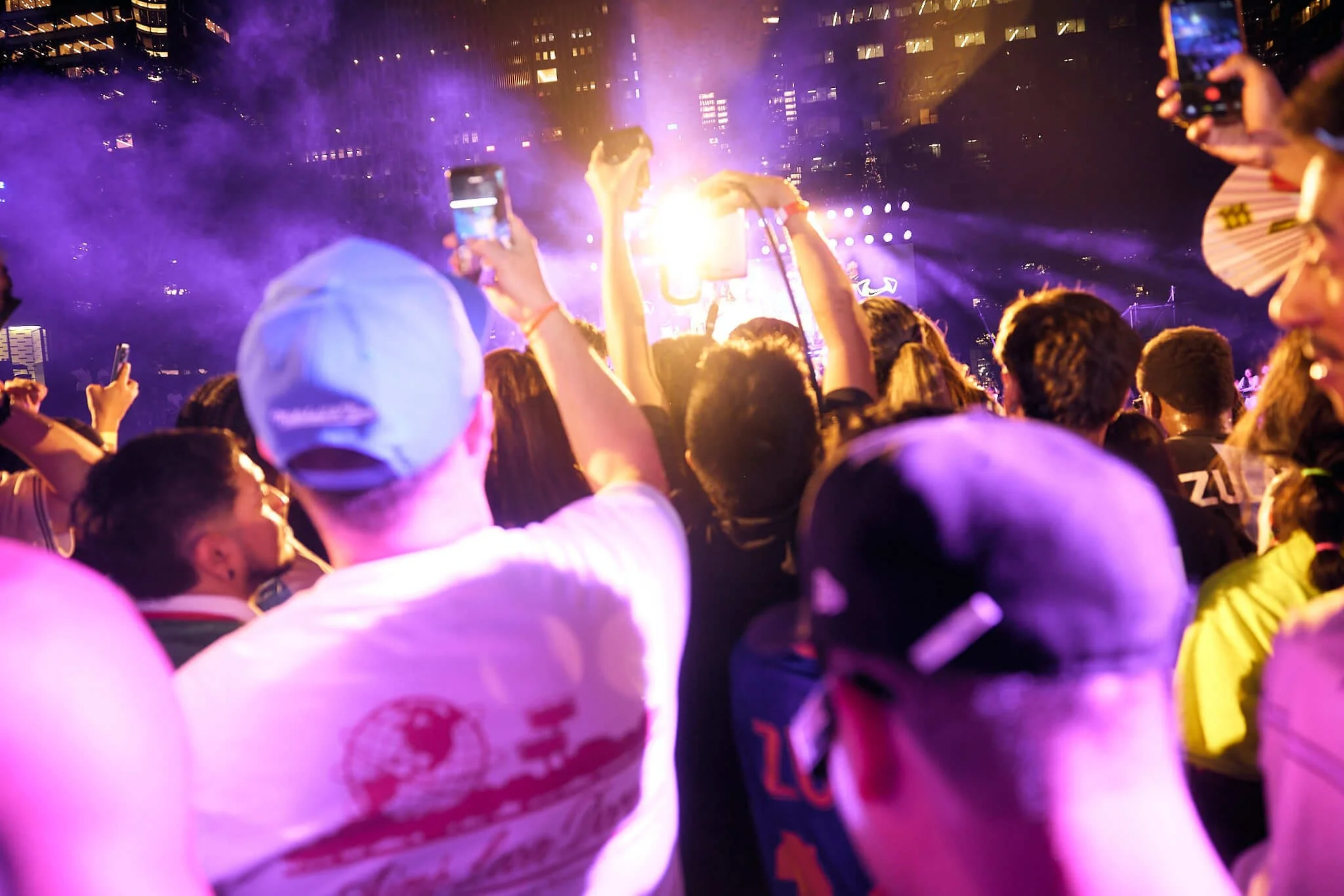
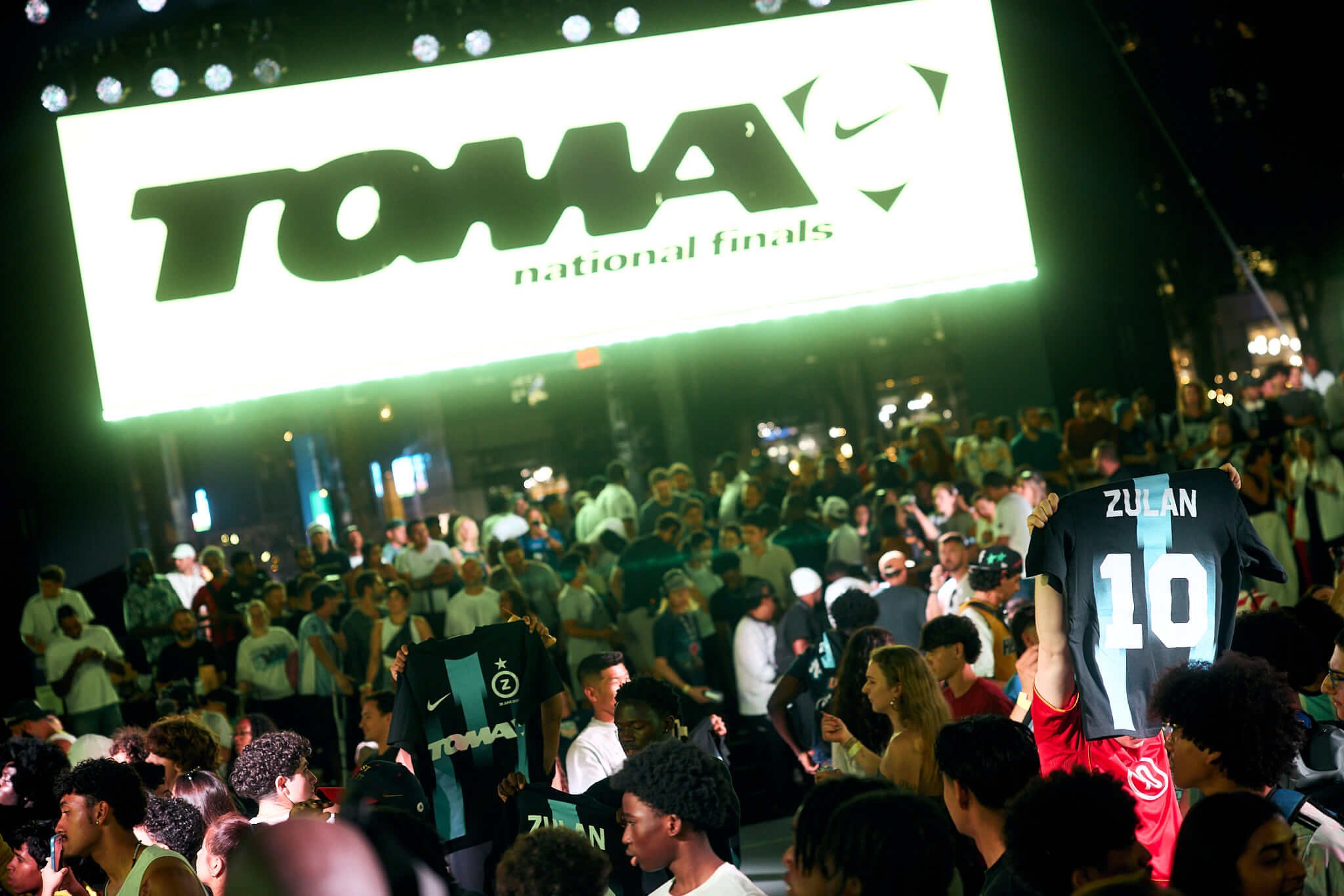
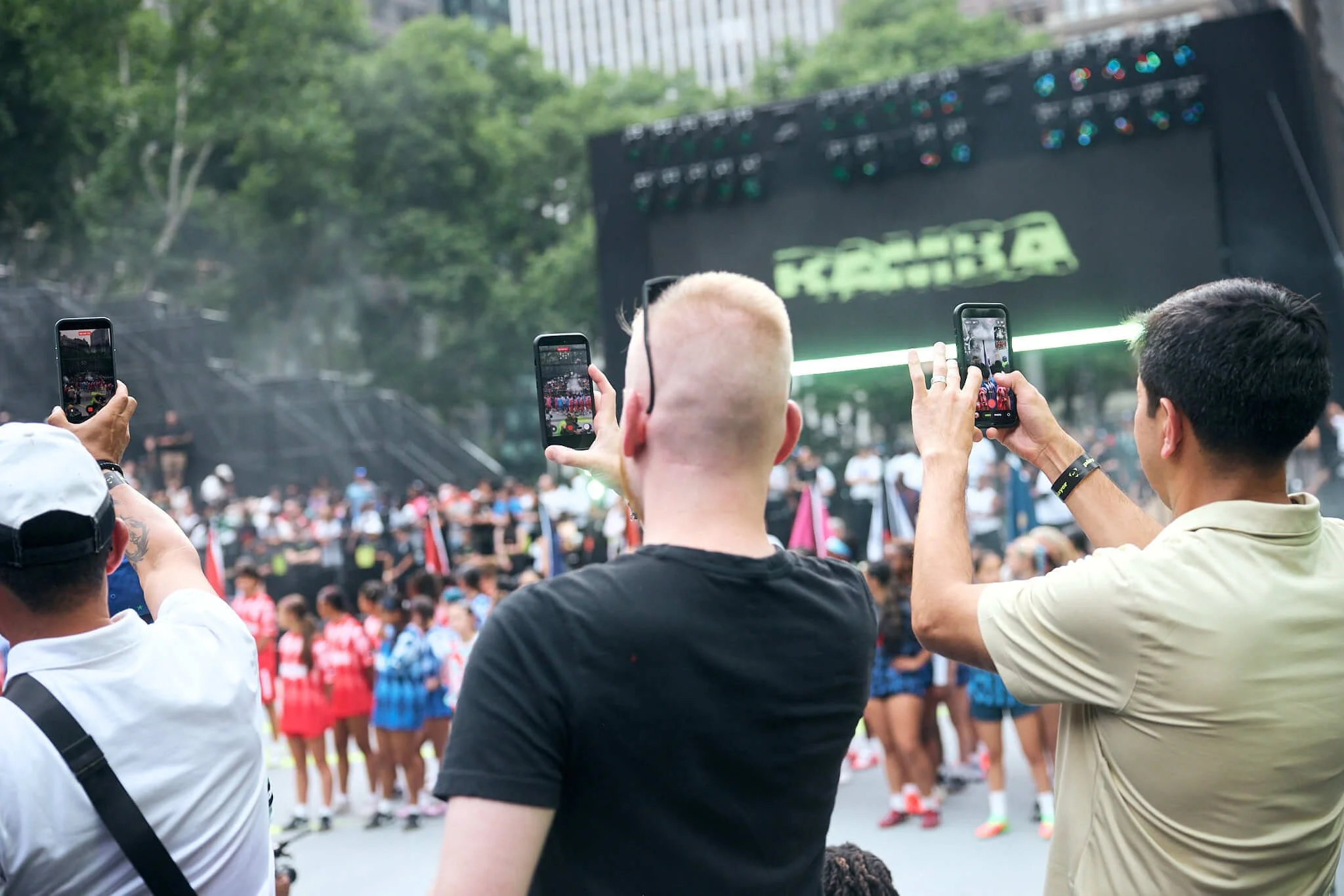
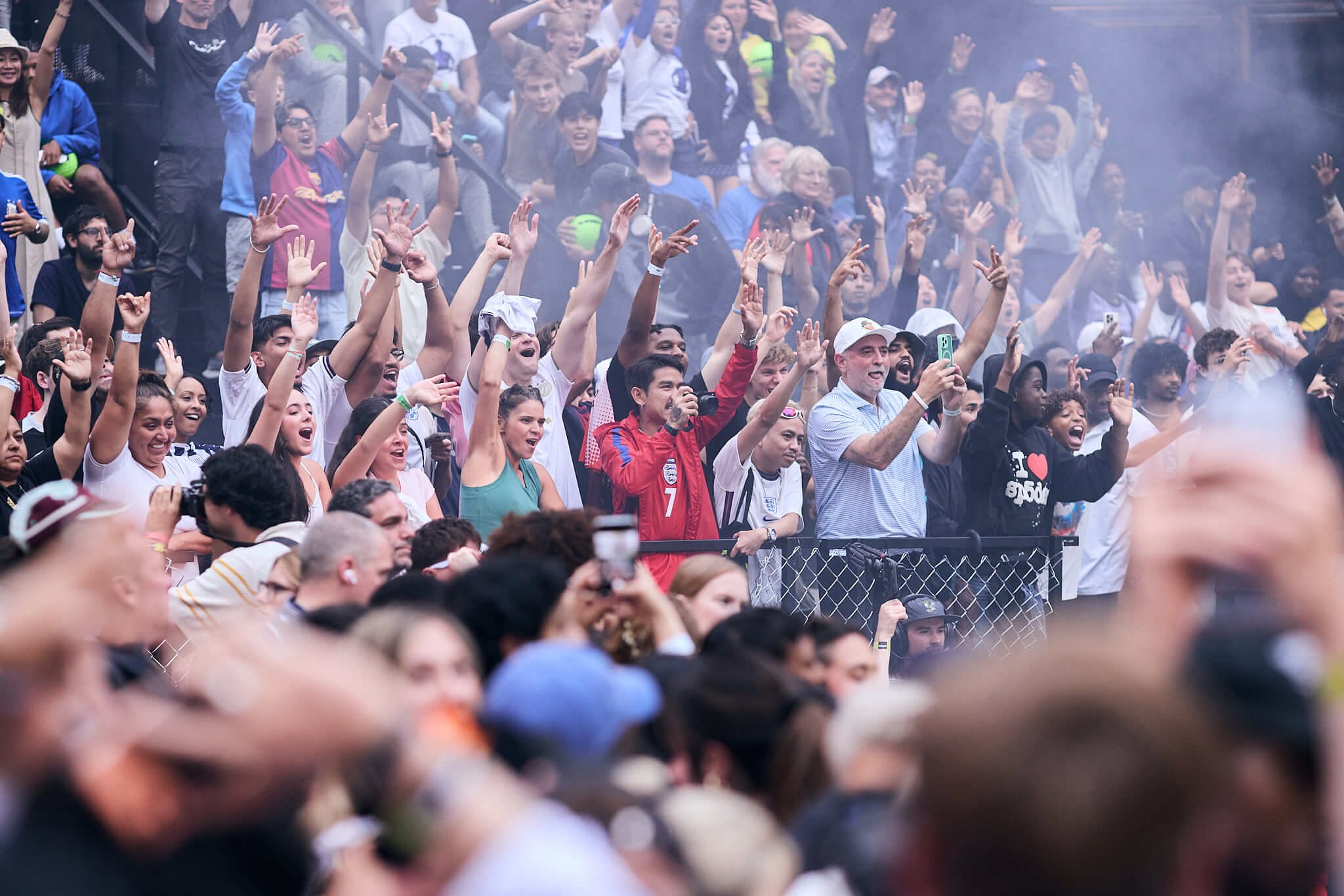
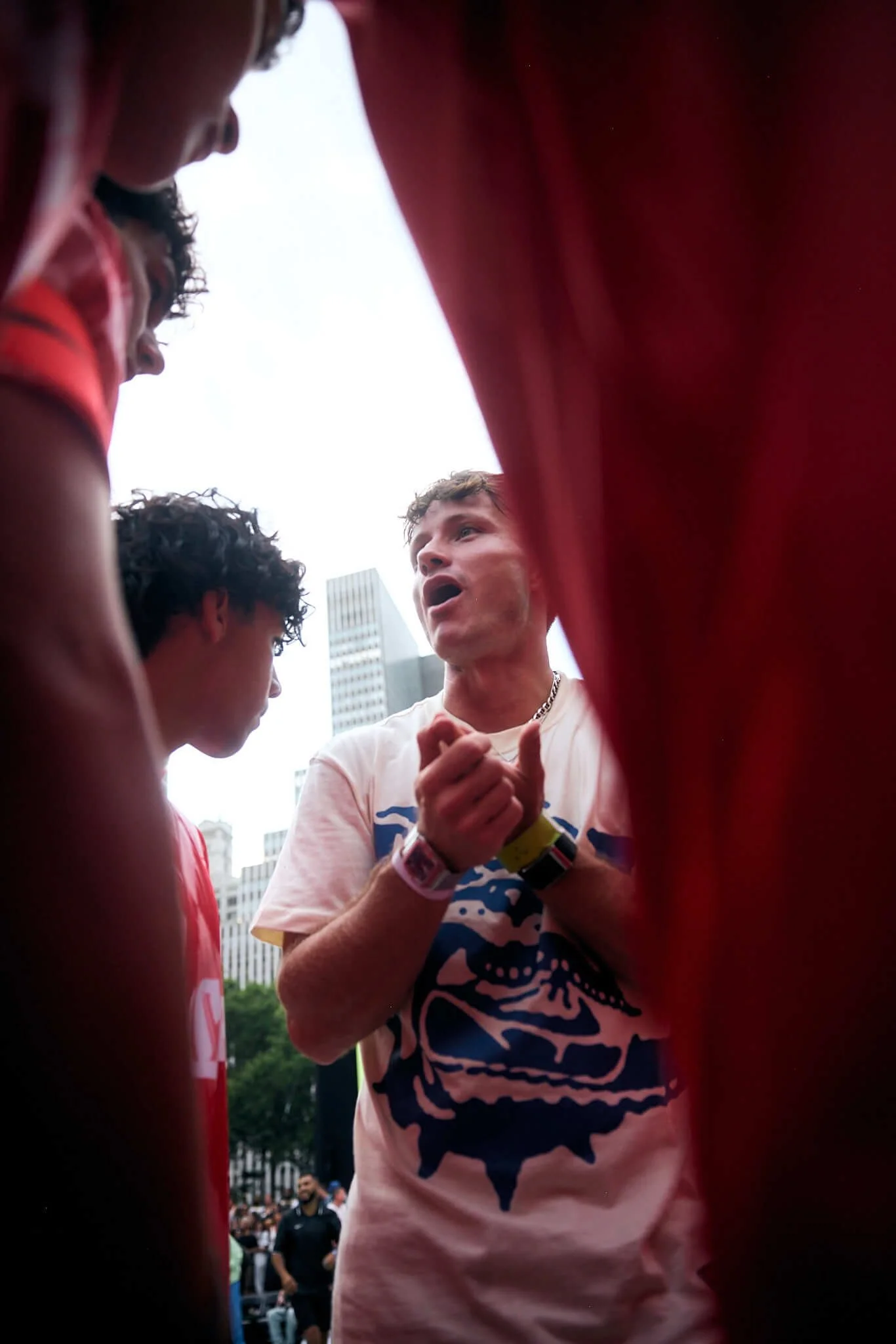
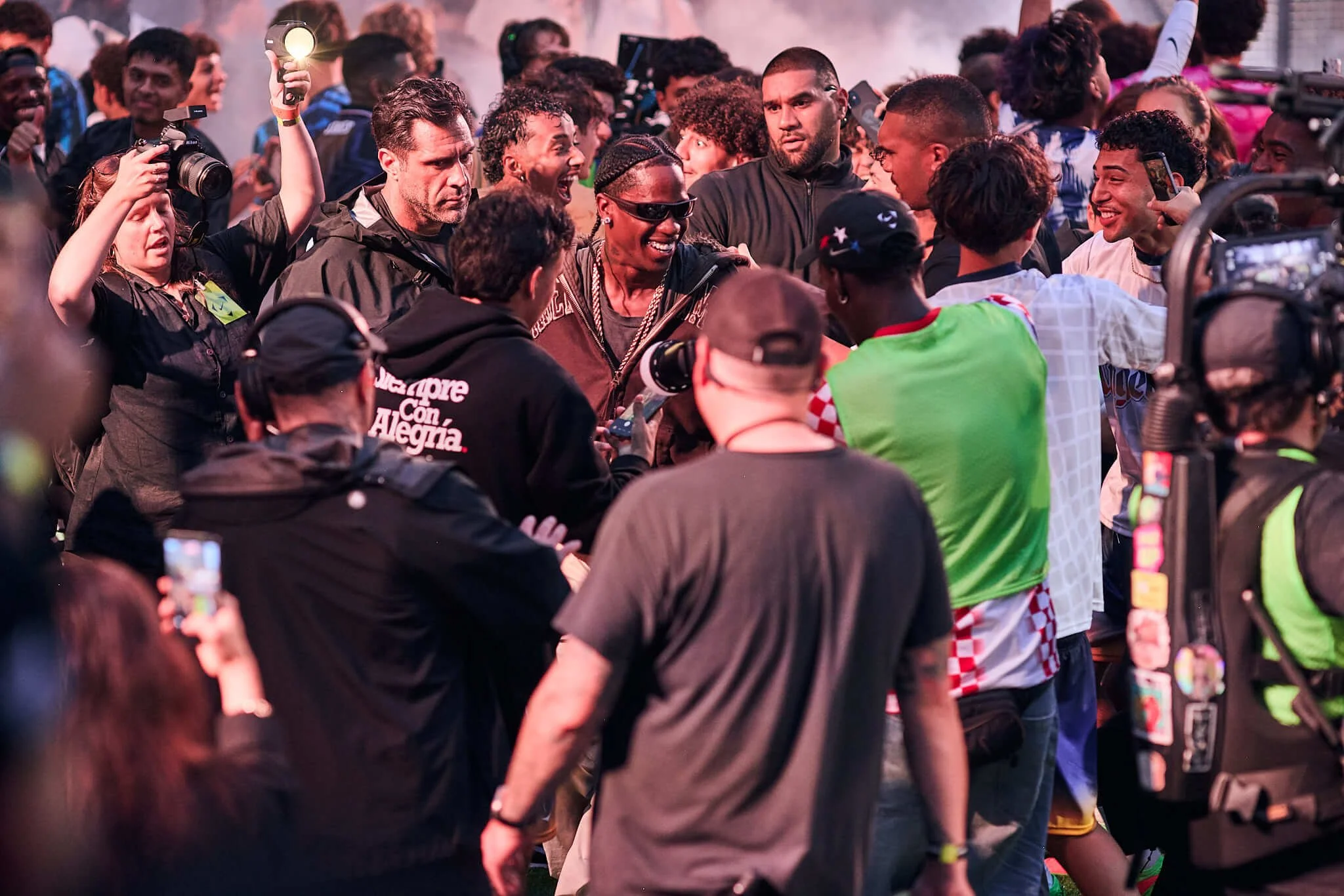
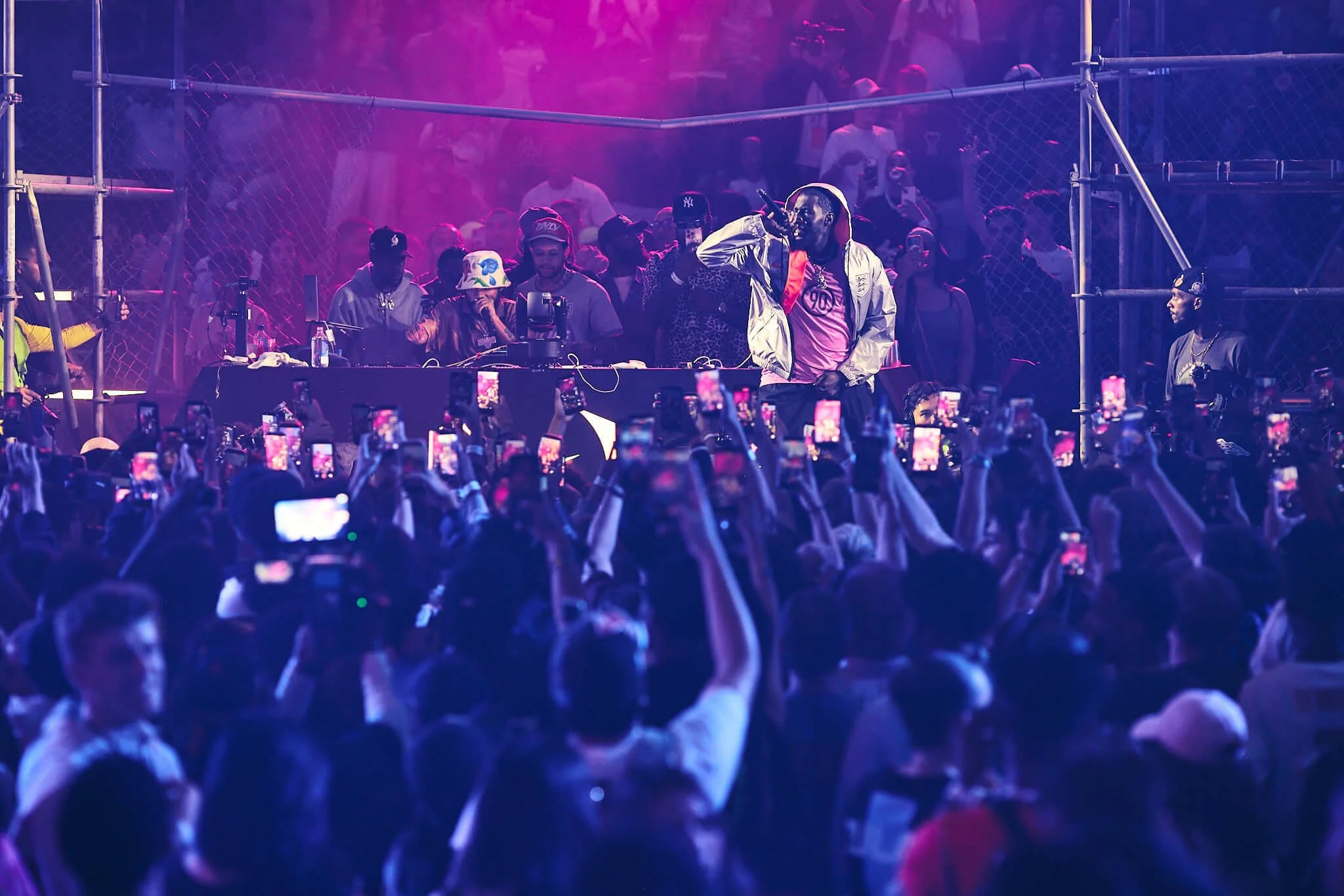
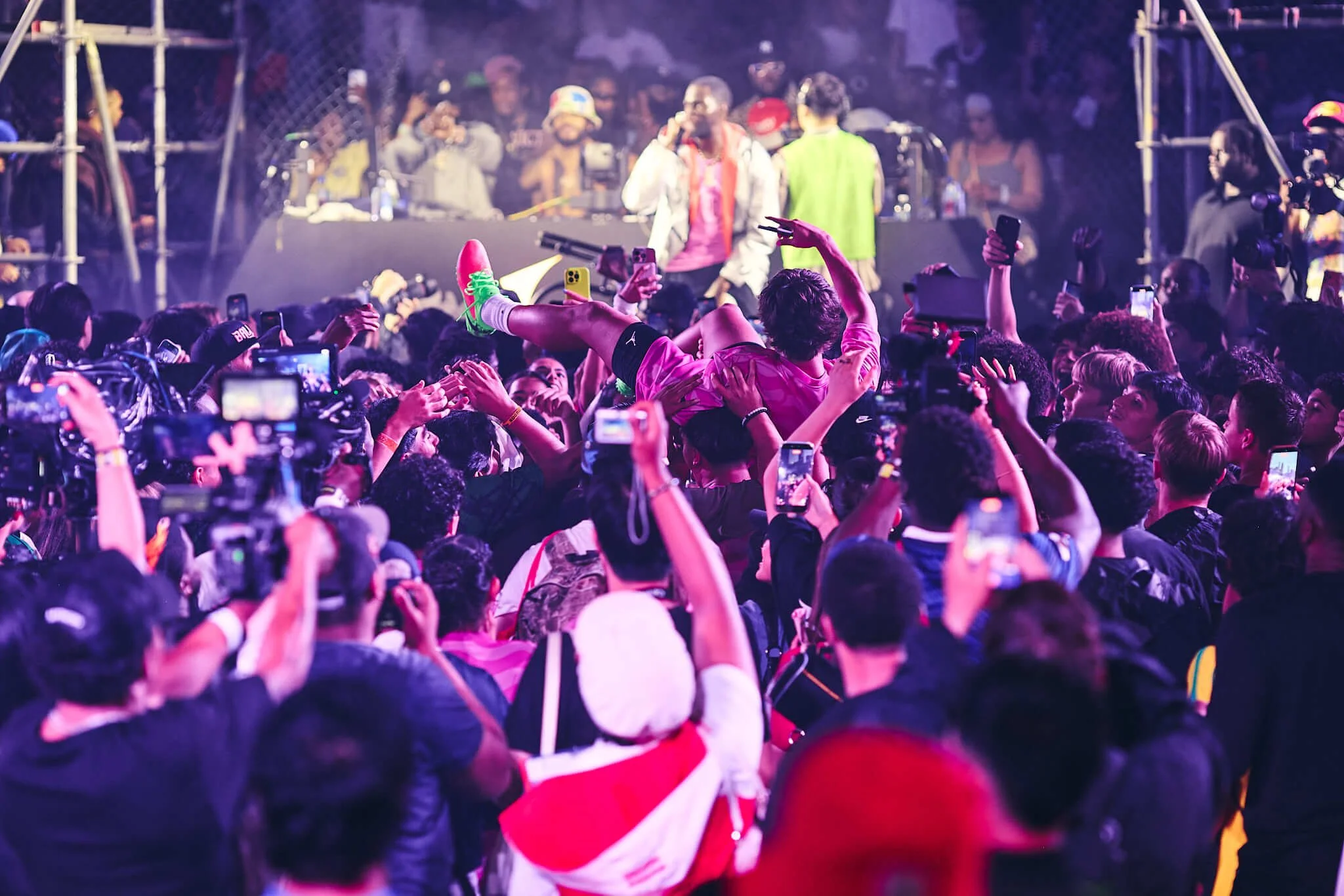
Over three nights, Bryant Park became a celebration of soccer in its most expressive form: packed stands, relentless small-sided competition, music, food, style and a crowd gathered in the middle of Manhattan to see who would take the game.
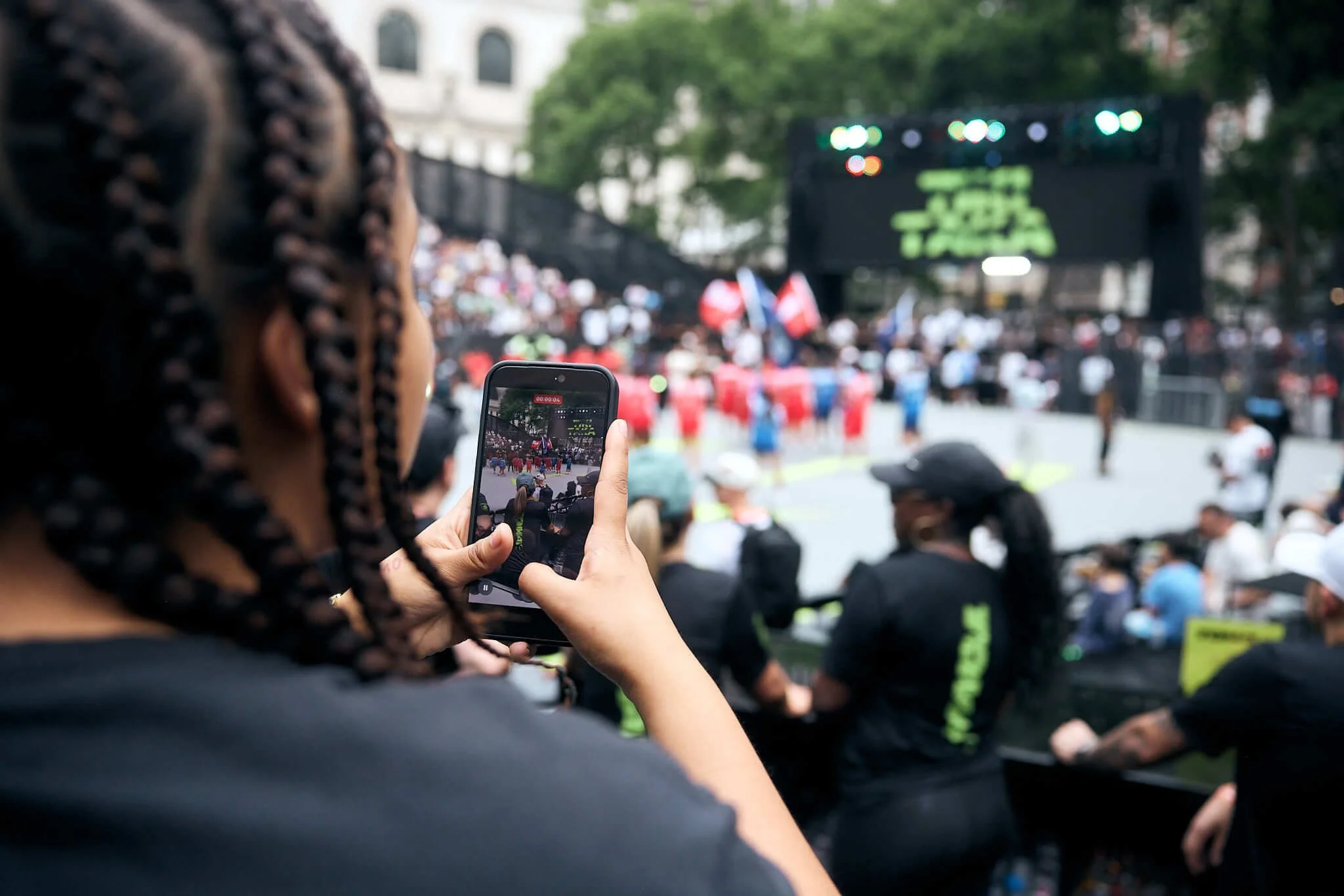
The tournament culminated in a winner-takes-all championship on June 27, with the Finals broadcast globally through Amazon streaming services and Twitch, taking a platform rooted in local street soccer to an audience around the world.
Toma proved that the road to a global stage doesn't have to start inside an academy or a stadium.
Sometimes it starts on a handball court in the Bronx. A field in Harlem. A park in Queens. An abandoned bank downtown.
Because a city final is won on courts nobody scouts.